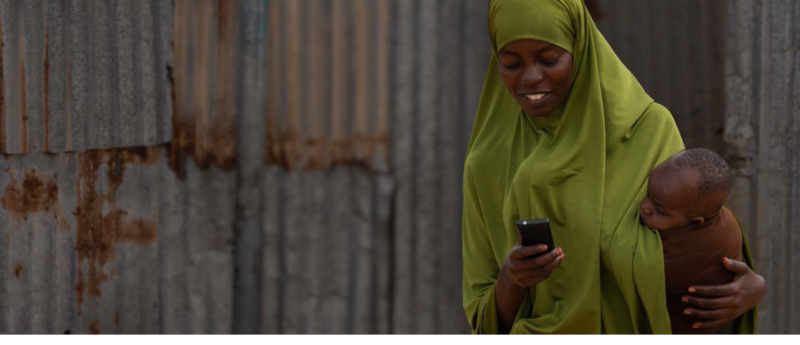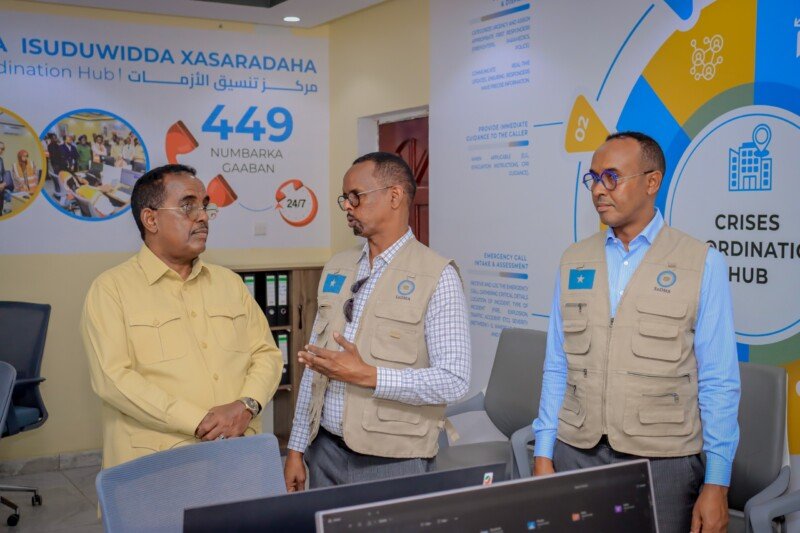
MOGADISHU: Somalia is moving “dangerously close to catastrophe” as more than six million people across the country face acute hunger, aid agency Oxfam warned on Friday, following the release of new food security data. The warning came as four UN agencies confirmed that the first famine risk since the 2022 crisis has emerged in the Burhakaba district of the Bay region, with nearly half a million children facing severe acute malnutrition – the most life‑threatening form of hunger.
According to the latest Integrated Food Security Phase Classification (IPC) analysis, 6 million people – 31 percent of Somalia’s population – are experiencing crisis levels of food insecurity (IPC Phase 3 or above) between April and June 2026. This includes close to 1.9 million people facing Emergency (IPC Phase 4), a number that has tripled in less than a year. The report also warns that populations in agropastoral livelihoods in the Burhakaba district face a risk of famine if the current April to June Gu rains fail, food prices continue to rise sharply, and humanitarian assistance is not scaled up. Nearly 40 percent of children under five in that area are already acutely malnourished.
“The IPC analysis paints a stark and urgent picture,” said George Conway, the UN Humanitarian Coordinator for Somalia. “Without immediate and sustained support from donors, the diaspora and the private sector, we risk a preventable catastrophe unfolding before our eyes.”
Child Malnutrition Crisis Worsens
Approximately 1.9 million children are suffering from acute malnutrition, including 493,000 facing severe acute malnutrition – children who are 12 times more likely to die than well‑nourished children. UNICEF Somalia Representative Sandra Lattouf said: “Across Somalia, children are facing a rapidly worsening crisis and time is running out. While communities and frontline workers remain resilient, they cannot do it alone.” According to UNICEF data, the number of children needing treatment for severe acute malnutrition now exceeds the levels seen during the 2011 and 2022 droughts.
The Integrated Food Security Phase Classification (IPC) report indicates that 1.84 million children under five are projected to suffer from acute malnutrition during 2026, with approximately 500,000 facing life‑threatening severe malnutrition. The crisis is also affecting millions of displaced people. According to UN estimates, drought has displaced 200,000 people this year alone, and the number of internally displaced persons now stands at 3.3 million.
Funding Shortages Compound the Crisis
The compounding shocks – severe drought, insecurity, rising food and fuel prices, and supply chain disruptions linked to conflict in the Middle East – have been exacerbated by a dramatic reduction in humanitarian assistance due to funding constraints. More than 500 health and nutrition facilities have been closed across the country, disease outbreaks are not being controlled, and mortality risks are rising. Total measles cases doubled between January and March 2026 compared to the same period in 2025, particularly affecting already malnourished children.
The 2026 Somalia Humanitarian Needs and Response Plan is currently only 15.2 percent funded. Hameed Nuru, WFP’s Country Director for Somalia, warned: “We are reaching a point where any further delay could cost lives. Families have exhausted their coping mechanisms, services and emergency assistance are extremely limited, and children are slipping into severe malnutrition across the country.” The WFP has previously warned that shipping disruptions related to the Middle East conflict have critically worsened the supply situation for therapeutic foods. More than 142,000 internally displaced people have also been forcibly evicted from temporary shelters since the start of 2025, worsening their vulnerability.
Oxfam stated that food prices had increased by 30 percent and fuel prices by 50 percent due to disruptions affecting regional trade and supply routes. “Three poor rainy seasons have pushed communities in the country at risk of famine,” said Oxfam’s Somalia humanitarian lead, Sameer Kariya. The UN agencies noted that food prices – linked to fuel price increases and maritime supply chain disruptions – have risen by up to 20 percent, weakening household purchasing power and pushing families closer to the brink.
Voices from the Drought
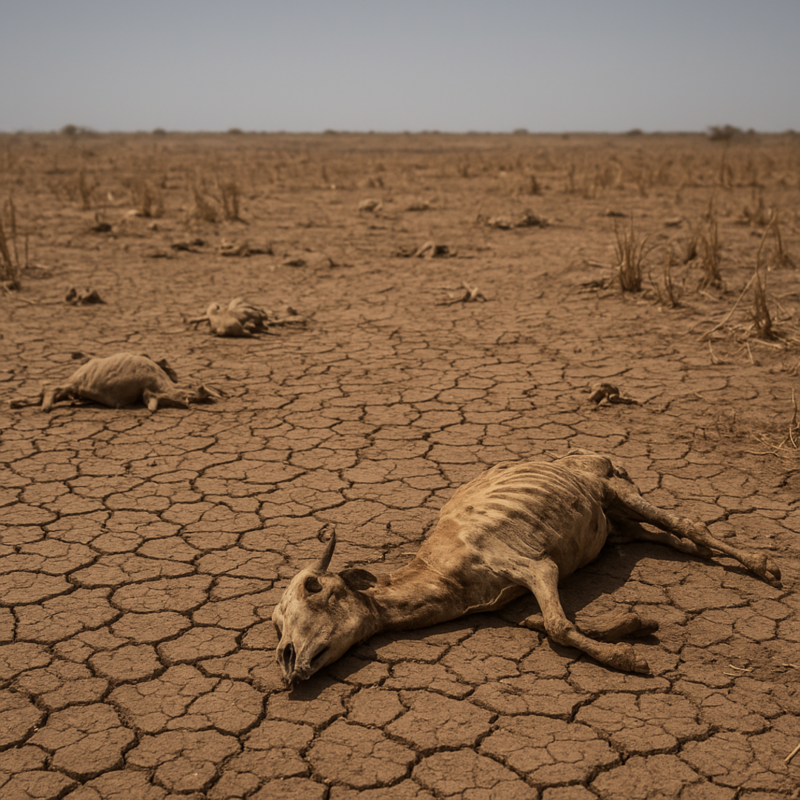
In Puntland, communities are struggling to survive after three years without steady rainfall. Abdi Ahmed Farah, a 70‑year‑old pastoralist, once owned 680 goats. Drought‑related diseases and lack of food and water have killed all but 110 of them, and those that remain are too emaciated to sell. “No market exists for my goats due to their emaciation. Formerly we exchanged them for rice, but now that’s impossible,” he said. His family survives on one meal of rice with sugar and oil per day. His wife, who gave birth three weeks ago, produces only sporadic drops of breast milk.
In Usgure village, home to 700 families, community leader Abshir Hirsi Ali reported that the local economy has collapsed because it depended on pastoralists like Farah. Businesses have shuttered, food supplies have dwindled, and recent rainfall created only puddles of contaminated water. “Some families were so desperate they consumed it … now many people exhibit fever symptoms,” Ali said. Save the Children periodically provides free water, but private water vendors have quadrupled their rates, and the price of a 50‑kilogram bag of flour has risen to $40.
At a malnutrition treatment facility in Qardho hospital, Puntland, therapeutic milk is rarely available, and nurses use homemade substitutes like cow’s milk. The facility admits about 15 children monthly, but numbers are expected to rise as more displaced families arrive. A four‑year‑old girl named Farhia weighs just 7.5 kilograms (16.5 pounds). Her eyes are sunken, and bones protrude beneath her skin. Her mother, Najma, who escaped to Qardho after all their goats perished, said: “I am uncertain what to hope for, or how we might return to our previous circumstances.”
Appeals for Urgent Action
FAO, OCHA, UNICEF, and WFP are calling for an urgent scale‑up of multi‑sectoral humanitarian assistance – including food security, nutrition, health, and water and sanitation – for populations facing IPC Phase 3 and above. Sustained and predictable funding is critical to prevent a humanitarian catastrophe. FAO Somalia Representative Etienne Peterschmitt said: “The country is at a tipping point. The severe and prolonged drought that has devastated livelihoods, coupled with the conflict in the Middle East that has driven up food and fuel prices, and the growing risk of severe flooding linked to El Niño means that the country is at the precipice of a famine risk once again.”
The UN agencies also noted that emerging El Niño forecasts signal an increased risk of flooding later in the year, with some areas along the Shabelle River already experiencing above‑average flows. Oxfam concluded: “The world must not wait for famine to be declared before acting,” warning that delays in aid delivery could cost lives if conditions continue to deteriorate.
Recommended Reading on ftlsomalia.com:
- UN Data: 6.5 Million Somalis Face Severe Hunger Amid Drought
- War Impact Worsens Somalia’s Child Malnutrition Crisis
- Somalia Faces Rising Humanitarian Crisis as 142,000 Displaced People Evicted
- Somalia’s Humanitarian Crisis Worsens as Acute Hunger Doubles
- World Food Program Urgently Appealing for $95 Million