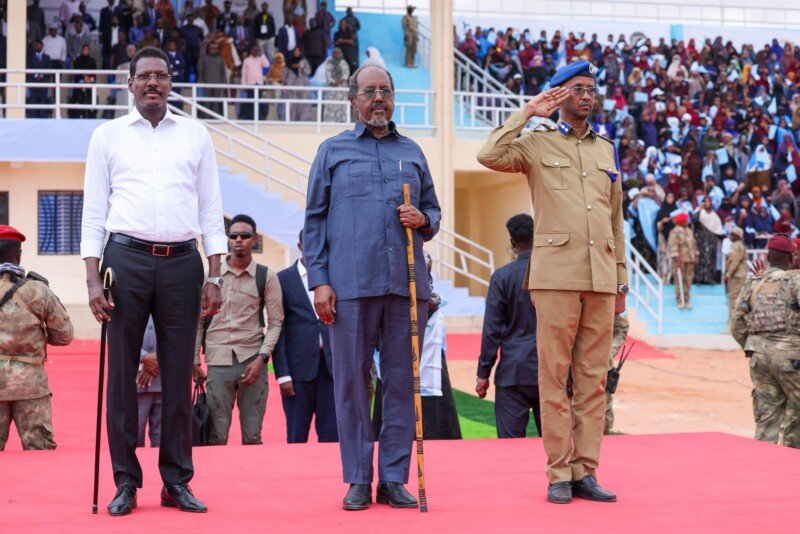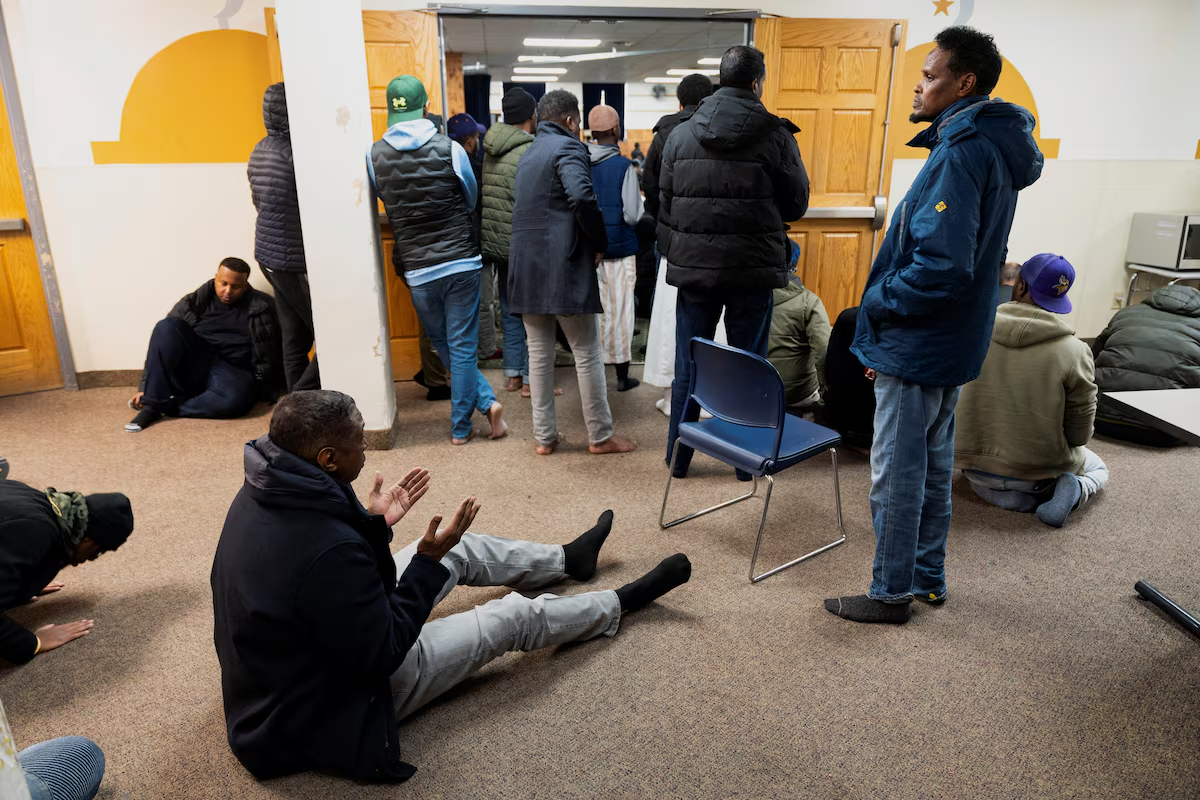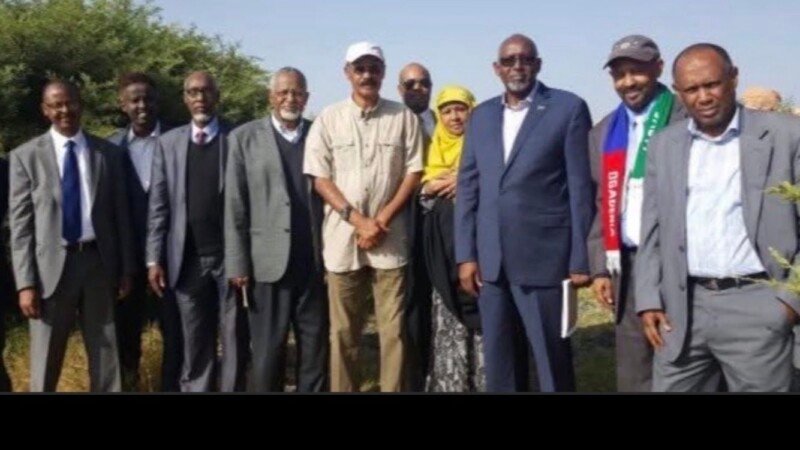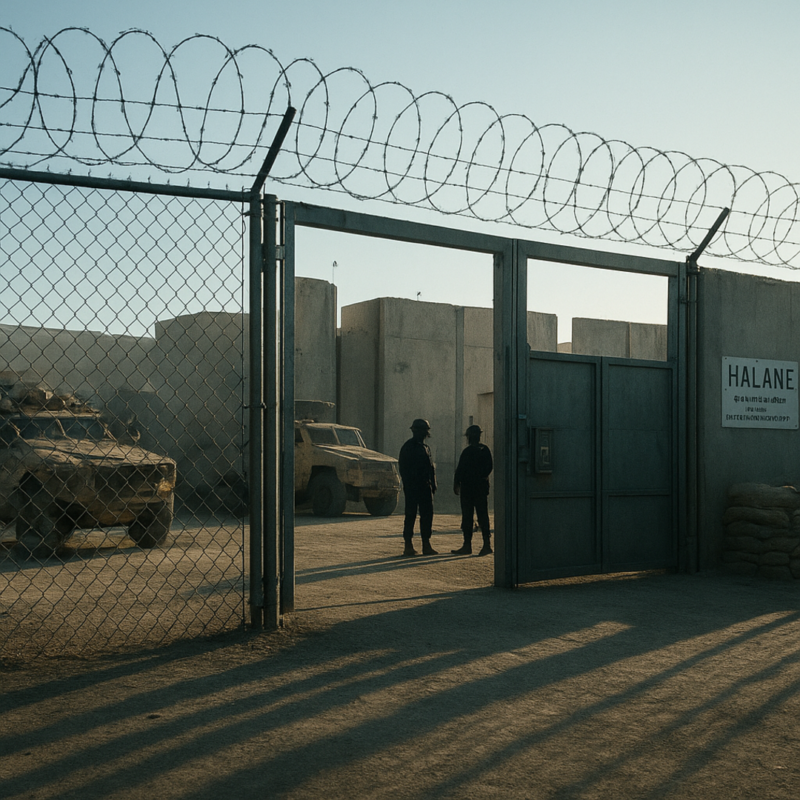
MOGADISHU: High‑stakes negotiations between Somalia’s federal government and the opposition Somali Future Council have entered a third day, with talks set to resume on Friday afternoon after Friday prayers, following two days of intense but inconclusive discussions inside the heavily fortified Halane compound. Despite mounting pressure from international mediators and a rapidly approaching constitutional deadline, the two sides remain sharply divided over the country’s electoral system, constitutional reforms, and the legitimacy of President Hassan Sheikh Mohamud’s mandate.
Sources close to the negotiations told reporters that the first session on Wednesday collapsed after a heated debate over the stalled electoral process. The government proposed the creation of technical committees to handle disputed points, a move opposition figures rejected as a stalling tactic designed to bypass the critical May 15 deadline, when the president’s four‑year term is scheduled to end. “The government is pushing for technical committees to prolong the process and make May 15 appear like an ordinary day,” a source familiar with the talks said. The opposition Future Council has demanded a more immediate and concrete political settlement instead.
US and UK Step Back, Warning of Consequences
On Thursday, the second day of negotiations, the atmosphere shifted significantly. United States and British representatives, who had pushed for and mediated the talks, stepped away from the table after initiating the session, signaling a conscious reduction in external guidance. According to sources familiar with the discussions, the diplomats delivered a direct warning: Somali leaders must now reach their own agreement or face the consequences alone. They cautioned that if no consensus is reached by May 15, they would document the failure to their capitals as proof that Somalia could be entering a more unstable political period. The implication, though not explicitly stated, was clear, international tolerance is diminishing, and external mediation is weakening.
Following that warning, President Mohamud called for a third round of discussions, which are now scheduled to resume on Friday afternoon after Friday prayers. The move was seen as a final attempt to prevent a total breakdown of negotiations that have become a critical test of Somalia’s constitutional framework and political resilience.
Core Dispute: Electoral Model and Presidential Mandate
At the heart of the impasse is a fundamental disagreement over political legitimacy and the future of Somalia’s electoral system. The opposition Future Council, represented by former president Sharif Sheikh Ahmed and Puntland leader Said Abdullahi Deni, is demanding that the federal government acknowledge that its authority has essentially expired. They are pressing for the abandonment of plans for a direct, “one person, one vote” election, a goal long championed by the administration but widely considered impractical under current security conditions. Instead, the opposition advocates for an expanded indirect electoral system, arguing that insisting on universal suffrage now threatens to destabilise an already fragile political environment.
The federal government, however, maintains that its mandate remains valid for another year under recently revised constitutional provisions passed by parliament in March 2026. Officials insist that preparations for nationwide direct elections are not only lawful but already in progress, presenting their position as a necessary advancement toward political modernisation rather than a constitutional violation. Opposition leaders have previously declared that the president will lose his legal authority after May 15 unless national elections are held or a constitutional alternative is agreed upon, while senior government officials have argued that the revised constitution gives the administration up to two additional years in power.
Talks to Resume Friday Afternoon
Despite the lack of a formal agreement after two days of deliberations, both parties consented to continue negotiations and are scheduled to reconvene on Friday afternoon after Friday prayers. The decision to proceed with talks may help alleviate immediate tensions in Mogadishu, yet without substantial concessions, the political impasse could intensify in the coming weeks.
Insiders familiar with the negotiations reported that the presidency held firm on its established positions regarding electoral procedures, constitutional revisions, and handling of persistent political disagreements. Opposition factions reportedly advocated for more extensive political consultations and compromise‑based dialogues, whereas the federal government preferred advancing along the existing political roadmap and reforms outlined by the current administration.
The Halane compound, which houses Western embassies and is protected by foreign troops, has become the stage for Somalia’s most consequential political talks in years. The Somali Future Council has previously warned of a political crisis as election deadlines loom, and the failure of regional mediation efforts by Kenya, Ethiopia, and Djibouti has left the rival camps to face each other with diminishing external support. With the May 15 deadline now only hours away, the resumption of talks on Friday afternoon represents what may be the last realistic opportunity to avert a constitutional vacuum and prevent a deeper national crisis.