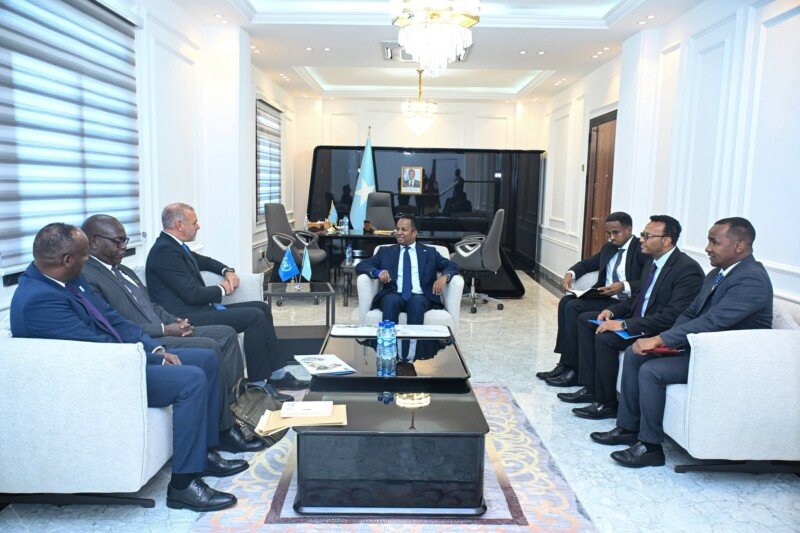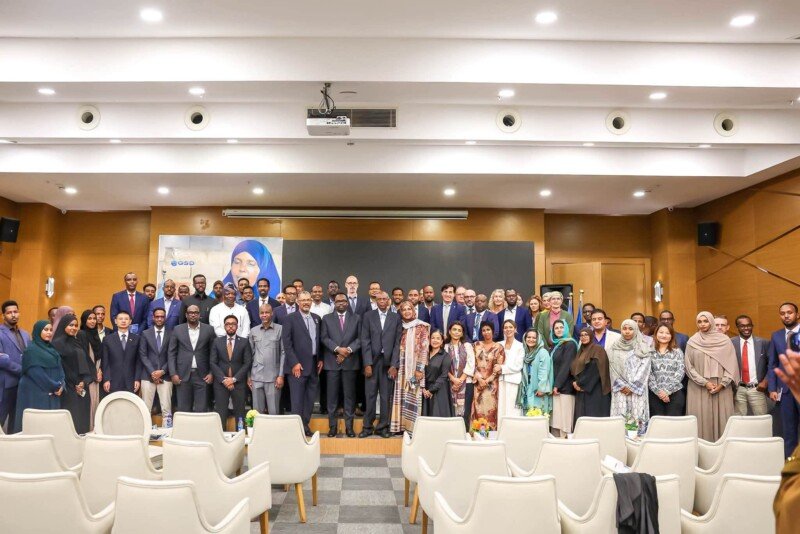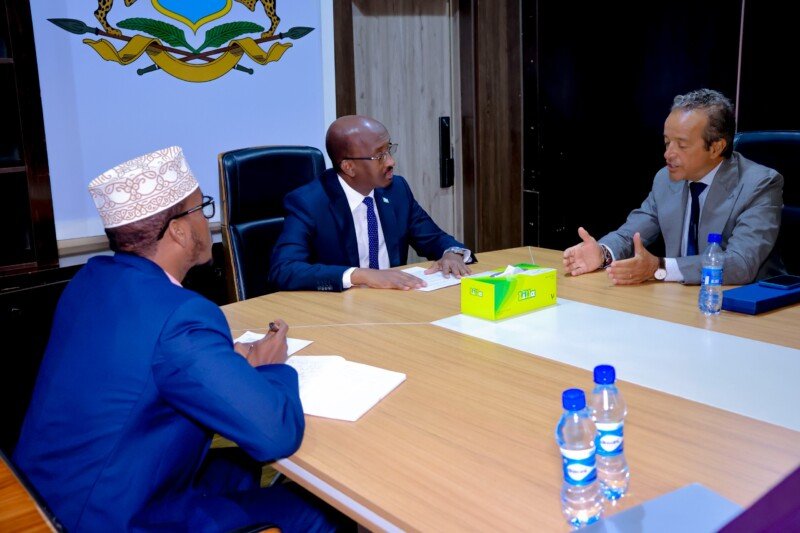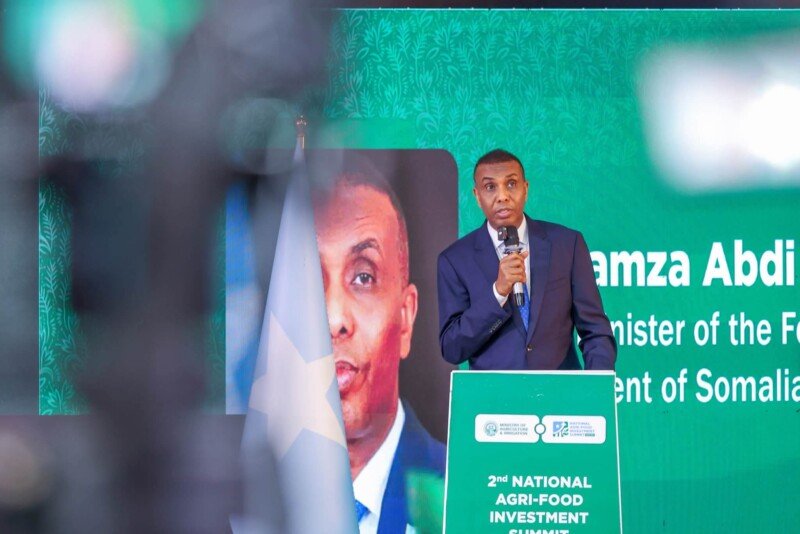
MOGADISHU — Prime Minister Hamza Abdi Barre officially opened the National Food and Agriculture Investment Summit (NAFIS 2026) in Mogadishu on Tuesday, August 11, 2026, with a call to strengthen domestic food production, advance agricultural development, and mobilise investment in the country’s agriculture sector.
The Prime Minister said the convening of the NAFIS 2026 summit carries an important message reflecting the new direction of the national leadership, anchored in the National Transformation Plan (NTP) and efforts to boost the economy, increase production, and create investment opportunities in the agriculture sector.
“I am confident that investment in agriculture and the food system is vital for our country and the wider Horn of Africa. Increasing domestic production will strengthen our economy, improve the region’s development infrastructure, create opportunities for Somali youth, and lay the foundation for increased national revenue and food self-sufficiency,” Prime Minister Barre said.
Prime Minister Barre has previously pledged stronger agricultural investment, stating that the government would focus on boosting local food production and reducing reliance on food imports.
The government has launched climate resilience initiatives to support farmers and pastoralists as the country faces persistent droughts and extreme weather conditions.
A Blunt Message to International Partners
The Prime Minister also delivered a pointed message to international organisations and donors, challenging what he described as outdated attitudes toward Somalia. Speaking at the NAFIS 2026 summit, Barre insisted that Somalia has moved beyond the period when it was frequently characterised by the absence of effective central authority.
“They tell us, ‘You cannot do everything yourselves.’ We will no longer accept that. They must change this mindset,” Barre declared.
The Prime Minister argued that Somalia today cannot be judged by the standards of the past. “These individuals in the international community still have the same attitude they used to treat Somalia when it was a stateless country,” he said, insisting that those perceptions no longer reflect the Somalia that exists today.
He urged institutions operating in Somalia to recognise the changes taking place in the country and align their cooperation with the government’s evolving national plans and priorities, which he said reflect a new Somalia and efforts to strengthen state institutions.
Somalia’s aid dependency has been a persistent challenge, with foreign contributions dropping significantly in recent years.
The United States has halted aid programs to Somalia’s federal government, further straining relations between Mogadishu and its traditional donors.
Critical Note
Prime Minister Barre’s remarks reflect a growing assertiveness in Somalia’s foreign policy, but they also highlight the tensions inherent in aid-dependent relationships. While the government’s push for greater ownership over development assistance is understandable, it must be accompanied by tangible improvements in governance, transparency, and accountability to justify the increased responsibility it is seeking.
The international community, for its part, must recognise that Somalia’s needs and priorities have evolved. The government’s frustration with outdated approaches is legitimate, and donors would be well advised to align their programmes with the National Transformation Plan. However, Somalia’s capacity to absorb and effectively utilise development assistance remains limited, and the government must demonstrate that it can manage resources responsibly before expecting partners to cede greater control.