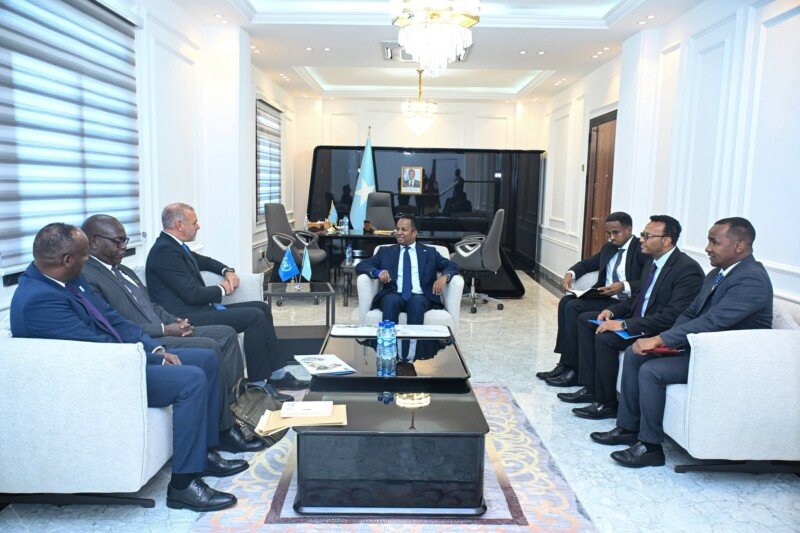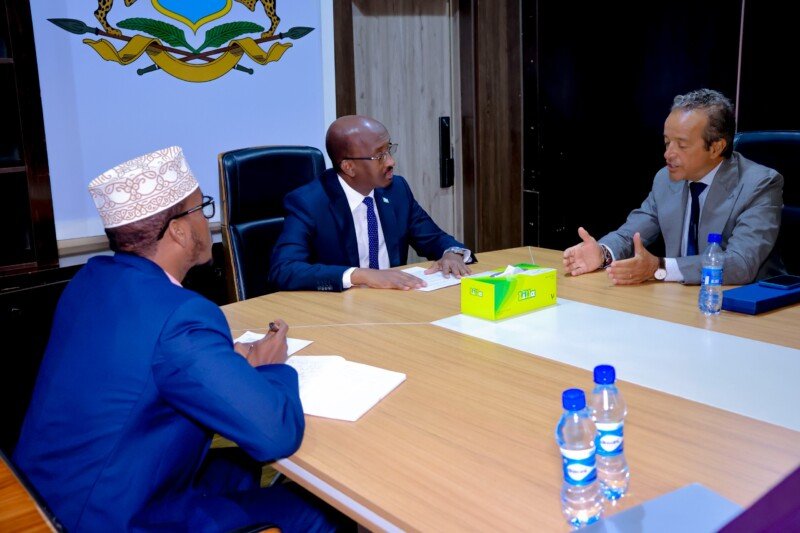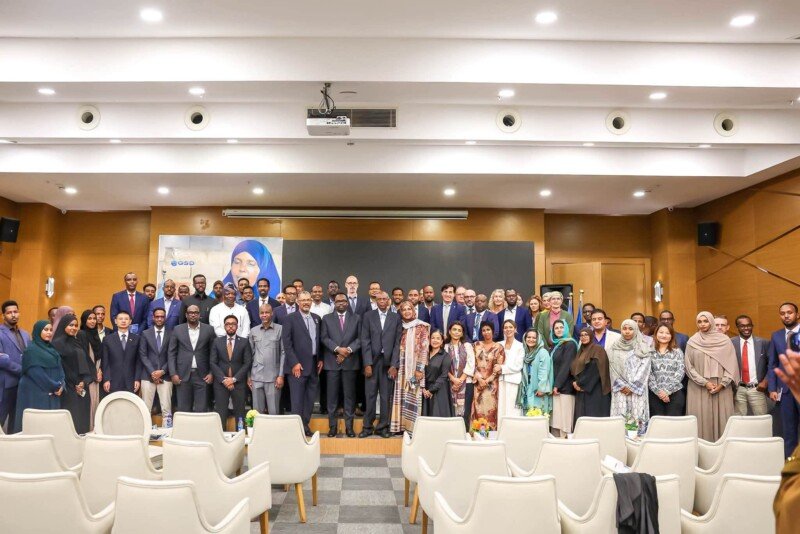
MOGADISHU — Deputy Prime Minister Salah Ahmed Jama has officially opened the National Regional Economic Integration Strategy Review Conference in Mogadishu, a high-level meeting focused on strengthening Somalia’s economic, trade and infrastructure connectivity with neighbouring countries and the wider African continent.
The conference brought together federal ministers, government officials and technical experts to review a proposed national strategy designed to help Somalia make greater use of its trade routes, ports and borders to facilitate trade, expand markets, attract investment and strengthen economic connectivity with the Horn of Africa, East Africa and the wider continent.
In his opening remarks, Deputy Prime Minister Jama noted that Africa is becoming an increasingly important global market and that Somalia’s long coastline, the longest in Africa, could give the country an opportunity to serve as a link between African markets and the rest of the world. He also highlighted the limited level of trade between African countries as a major challenge to economic integration and called for an evidence-based approach to help Somalia and its population benefit from regional economic opportunities.
Kenya and Somalia are currently engaged in discussions to establish a trade facilitation agreement aimed at addressing and eliminating irregular non-tariff barriers that have been impacting their trade relations. These barriers include issues such as inconsistent levies, shifting policies, and other administrative hurdles that have made trade between the two countries more challenging.
Somalia has advanced its regional economic integration strategy through active participation in the EAC Council of Ministers meetings, with the country’s delegation consistently emphasizing Mogadishu’s commitment to the East African Community’s fundamental operational goals.
IGAD has welcomed Somalia’s ratification of the new IGAD Treaty, stating that the move will spur regional cooperation across East Africa. The treaty aims to deepen regional integration by focusing on critical sectors such as peace and security, climate resilience, economic development, and digital governance.
Trade Facilitation and Economic Reform
The Deputy Prime Minister has been a consistent advocate for trade reforms and regional integration. In August 2026, he called for deeper regional trade integration, saying improving the country’s trading environment is key to accelerating economic growth and attracting investment. He has emphasised that trade facilitation is a central component of Somalia’s National Transformation Plan, which seeks to strengthen the country’s economy through structural reforms and private sector-led growth.
Somalia launched a new trade strategy in August 2026 to modernize trade, reduce barriers and strengthen regional economic integration. “Trade facilitation is a key pillar of Somalia’s National Transformation Plan,” Jama told participants. “Efficient trade systems are critical to driving economic growth, attracting investment and creating a more competitive business environment.”
Somalia’s nine-member delegation to the East African Legislative Assembly participated in a landmark budget session in Arusha, marking one of the most significant demonstrations of Somalia’s deepening integration into the EAC. The concurrent presence of Somali legislators and a Somali judge at the same EAC session is a first of its kind and reflects the pace at which Somalia has moved from observer status to full, active participation in the East African Community’s governance structures.
Somalia has launched its National Monitoring Committee on the Elimination of Non-Tariff Barriers, marking a major milestone in its integration into the EAC Customs Union and Common Market. The committee includes representatives from 16 public sector institutions and eight key private sector associations.
Somalia’s admission to the East African Community in 2024 has been a key driver of economic reform efforts. The Deputy Prime Minister has commended efforts to strengthen Somalia’s role within the EAC, including initiatives to secure the East African Community Passport to facilitate regional mobility for Somali citizens.
Somalia has been solidifying its integration into the East African Community through high-level meetings focused on the implementation roadmap for full integration, including the alignment of Somalia’s standard passport with EAC standards and the recruitment of Somali citizens into the EAC Secretariat.
Critical Note
While the launch of a national strategy for regional economic integration represents a significant step toward deepening Somalia’s economic ties with Africa, the gap between policy formulation and implementation remains a persistent challenge. Somalia’s capacity to fully benefit from regional integration is constrained by weak infrastructure, limited institutional capacity, and ongoing security challenges that continue to deter investment.
Furthermore, the country’s ability to compete in regional and continental markets will depend on its success in harmonising trade regulations, improving quality standards, and addressing the administrative bottlenecks that continue to raise the cost of doing business. Without sustained investment in infrastructure, human capital, and institutional reform, the strategy risks becoming another well-intentioned but poorly implemented policy framework.