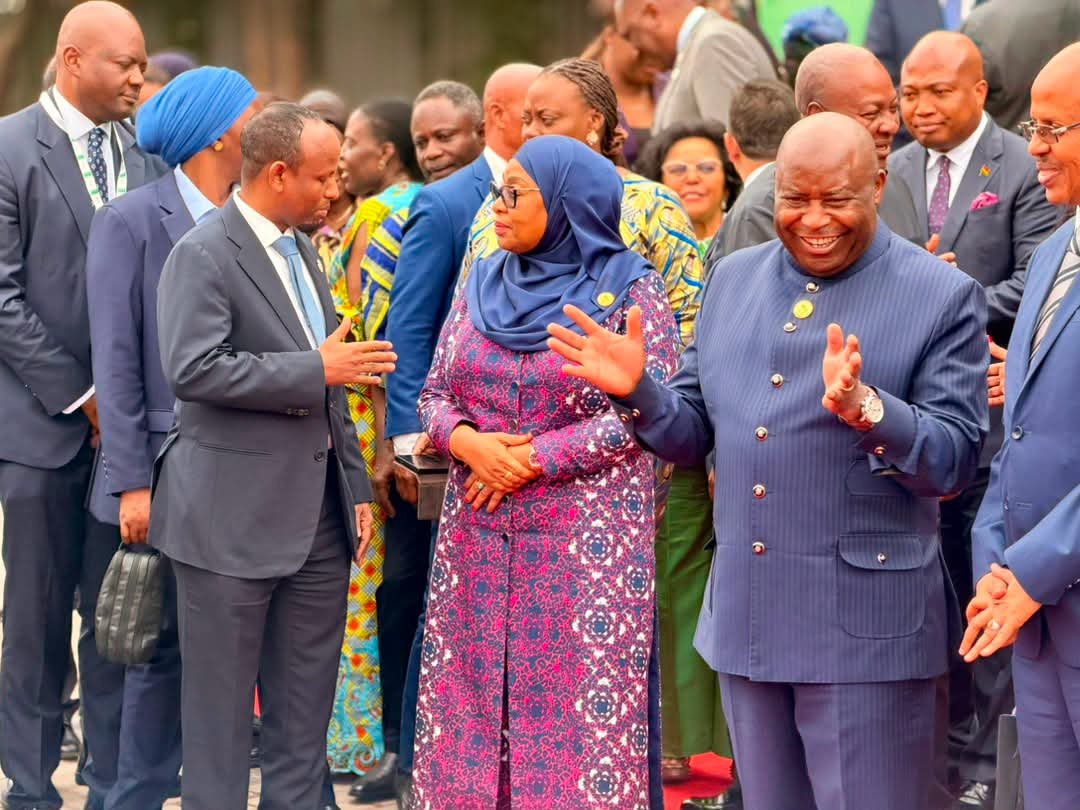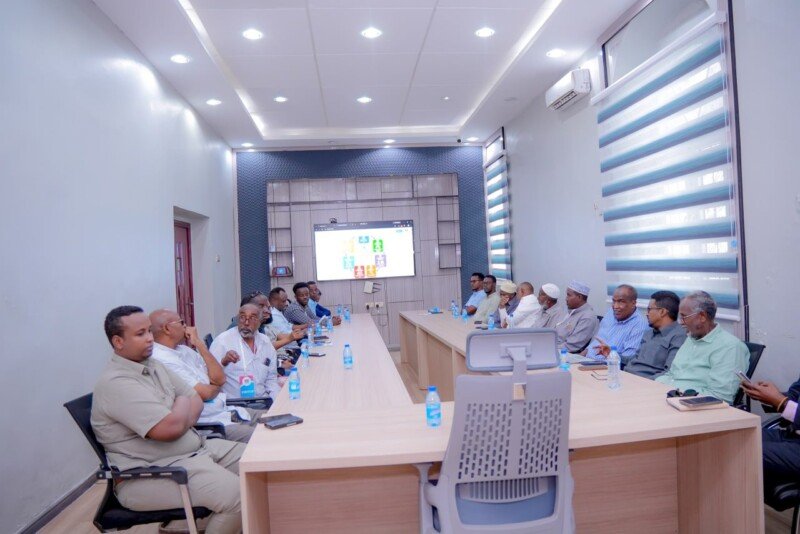
NAIROBI — Somalia’s Minister of Health and Human Services, Dr. Ali Haji Adam, delivered a high-level policy address during the official launch of the African Vaccine Strategy, a continental initiative led by the Africa Centres for Disease Control and Prevention (Africa CDC) in Nairobi, Kenya. The diplomatic engagement signals Mogadishu’s growing integration within the continent’s collective health security framework.
Speaking at the executive session, Minister Ali outlined Somalia’s measurable progress in public health, revealing that the national immunization rate has officially reached 76 percent. He attributed this success to direct political commitment from the highest levels of the federal government. The Minister detailed the establishment of the National Committee for Immunization and Polio Eradication, a specialized task force chaired personally by Prime Minister Hamza Abdi Barre — a structural alignment that, he said, demonstrates the state’s commitment to eradicating preventable diseases and protecting vulnerable populations.
Beyond operational metrics, the Minister addressed the issue of financial sustainability, announcing that the Federal Government has formally integrated immunization programs into the national budget, increasing domestic funding allocation for essential health services. The budgetary reform is intended to ensure the long-term continuity of critical care, signaling a transition from heavy reliance on external assistance toward greater financial responsibility for the nation’s health needs. He also acknowledged the continued operational support of global health partners, particularly Gavi, the Vaccine Alliance, which helps ensure Somali children receive life-saving medical interventions.
Strengthening Domestic Health Financing
The Nairobi address follows recent high-level discussions on sustainable health funding. In January, Minister Ali inaugurated a conference in Nairobi focused on improving and financing the nation’s healthcare infrastructure, bringing together key stakeholders from federal member states and international partners. The gathering underscored the importance of combined efforts and enhanced partnerships to establish sustainable financial solutions for delivering accessible healthcare services to all citizens.
Earlier in 2025, the Ministry of Health officially launched nationwide rollout of pneumococcal and rotavirus vaccines, critical interventions targeting two of the most common and deadly diseases affecting Somali children. Pneumonia and rotavirus-related illnesses remain leading causes of child mortality in Somalia, and their prevention through vaccination is expected to save thousands of lives annually.
Political Commitment to Immunization
The National Committee for Immunization and Polio Eradication, chaired by Prime Minister Hamza Abdi Barre, was established in June 2024 as part of intensified efforts to combat vaccine-preventable diseases. The Somalia Immunization and Polio Eradication Task Force (SIPE) oversees and coordinates polio eradication and immunization efforts across the country, mobilizing financial and technical resources to ensure every child is reached with life-saving vaccines. The task force comprises key health officials at federal and state levels, alongside international partners, and reflects high-level political commitment to stopping polio transmission — which has circulated uninterrupted in the country for several years.
Regional vaccination campaigns have also shown progress, with Somaliland vaccinating over 865,000 children under five in a single nationwide drive as part of ongoing efforts to maintain immunity levels and prevent virus resurgence through cross-border transmission.
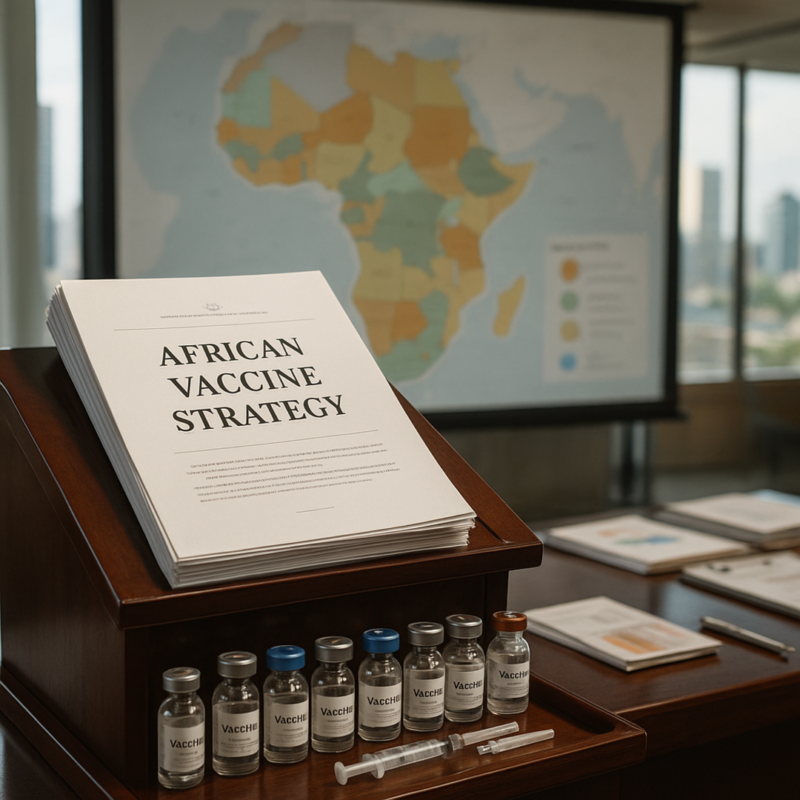
The African Vaccine Strategy, launched during African Vaccination Week (24–30 April), is a continent-wide blueprint aimed at strengthening domestic vaccine financing, expanding local manufacturing capacity, and improving equitable access across member states. It aligns with the Africa CDC’s broader goal of achieving vaccine self-sufficiency and health security by 2040. Somalia’s participation in the initiative positions the country as an active stakeholder in continental health governance, even as it continues to rebuild its own fragile health system after decades of conflict and underinvestment.