MOGADISHU: President Hassan Sheikh Mohamud and opposition leaders are expected to hold high‑level talks in Mogadishu’s heavily fortified Halane compound as international partners intensify efforts to resolve a deepening political standoff over delayed elections and constitutional amendments. The meetings, scheduled for the coming days, will bring together officials from the federal government and members of the Somali Future Council, an opposition alliance that includes the presidents of Puntland and Jubaland.
Puntland President Said Abdullahi Deni arrived in Mogadishu on Tuesday, May 12, ahead of the expected discussions, which observers view as critical to breaking the impasse over Somalia’s electoral process. Jubaland President Ahmed Madobe is also expected to join the negotiations. The two regional leaders previously met international partners at the Halane base, underscoring the role of foreign diplomats in pushing for a resolution.
Disputed Term, Electoral Model, and Constitution
The talks come amid escalating accusations that President Mohamud extended his term by one year after elections failed to take place on schedule. Opposition leaders have warned of a constitutional crisis, declaring that the president will lose his legal authority after May 15, 2026, unless national elections are held or a constitutional alternative is agreed upon. The opposition argues that the four‑year term stipulated in the 2012 provisional constitution expires on that date.
The dispute is further complicated by the federal government’s adoption of a revised constitution in March 2026. Senior officials have suggested that the administration could remain in power for up to two additional years under the new framework. The opposition has rejected the revised constitution, citing a lack of broad political consensus, and insists that the 2012 provisional framework remains the legitimate legal basis for governance.
Disagreements also persist over the electoral model. The government advocates for a transition to a “one person, one vote” system, while the opposition favors an indirect voting model. The opposition has demanded an independent mediator as a precondition for substantive negotiations.
International Mediation at Halane
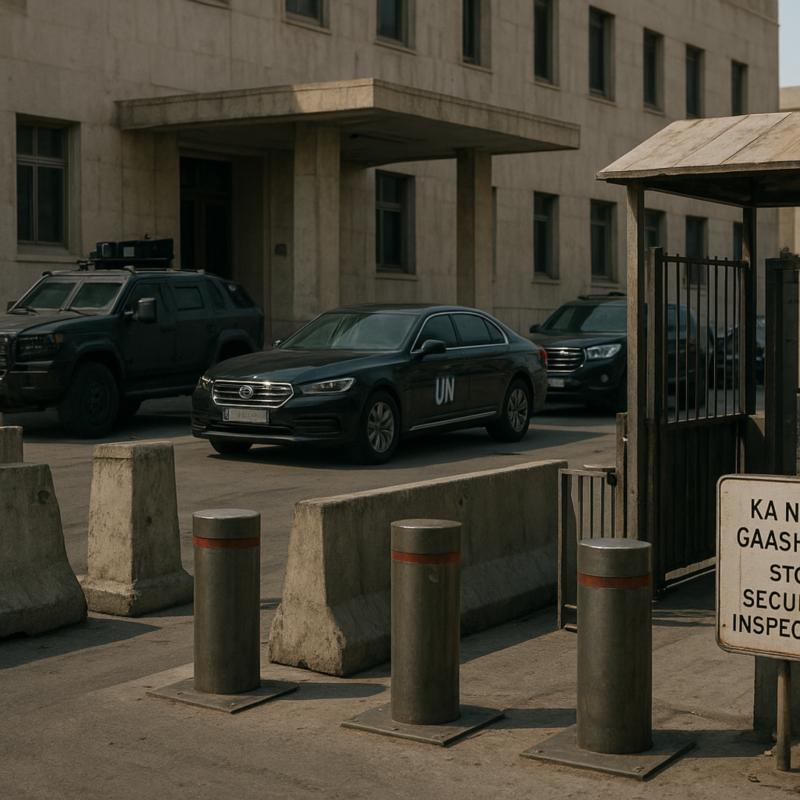
The Halane compound, which houses foreign diplomatic missions and is protected by African Union peacekeepers, is widely regarded as a secure and neutral setting for high‑level political dialogue. Opposition figures have insisted on using this facility, citing safety concerns and distrust of federal security forces. Reports indicate that representatives from the UN, EU, US, and UK have stepped in to facilitate the discussions, urging Somali leaders to reach an inclusive agreement to prevent further political instability. The EU has welcomed opposition participation in the national dialogue as a constructive step.
The negotiations are being closely watched by Somalis and international partners who fear that prolonged political divisions could undermine security and state‑building efforts. The Somali Future Council has previously warned of a political crisis as election deadlines loom and has said it will not allow a power vacuum or unconstitutional rule after May 15.
Despite the high‑level engagement, the opposition has also announced plans for a major protest in Mogadishu on May 16, the day after the president’s term is scheduled to expire. The planned demonstration underscores the volatile political environment as the clock ticks toward the May 15 deadline.
Recommended Reading on ftlsomalia.com:
- Opposition: President’s Mandate Expires May 15 Without Elections
- Opposition Council Warns of Political Crisis as Election Deadlines Loom
- Somalia Minister Proposes Two-Year Government Extension
- Venue Dispute Stalls Electoral Talks as Parliament Pushes Ahead with Constitutional Debate
- EU Welcomes Somali Opposition Participation in National Dialogue
- Somali Opposition Plans Major Mogadishu Protest for May 16