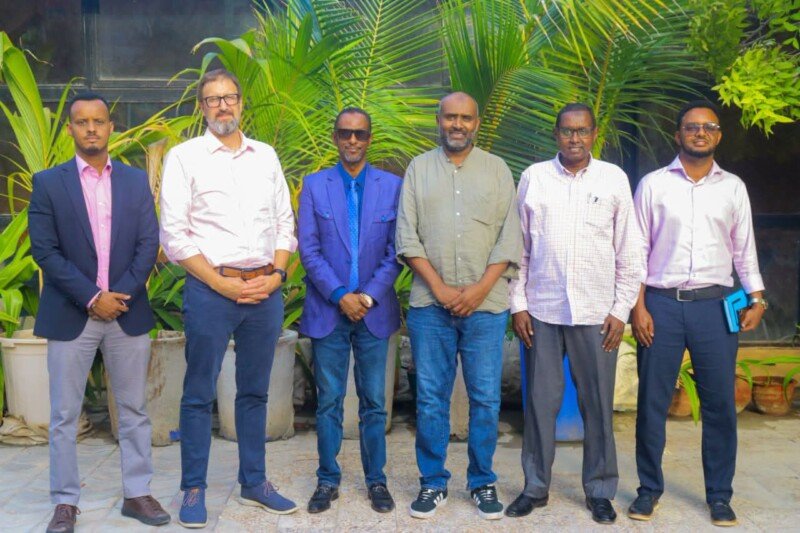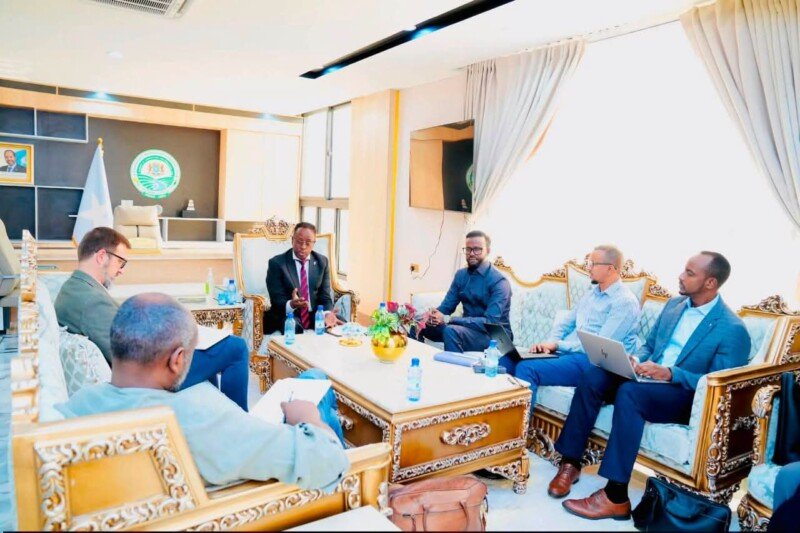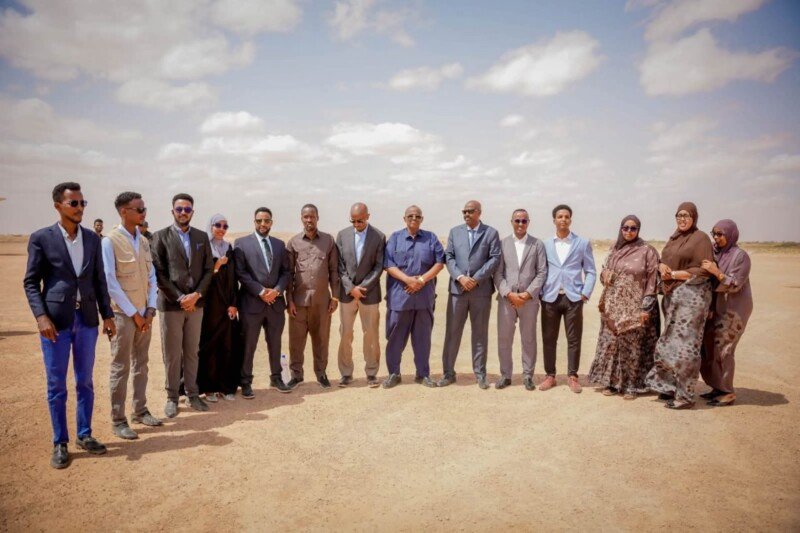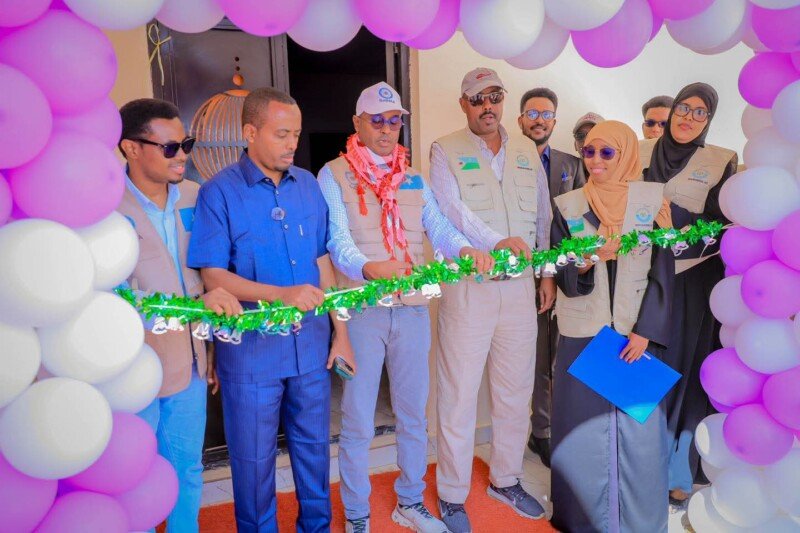
LAASCAANOOD — The Commissioner of the Somali Disaster Management Agency (SoDMA), Mahamuud Moallim Abdulle, has officially inaugurated the North Eastern State Emergency Response Center, a newly completed facility designed to accelerate humanitarian response and strengthen disaster preparedness in the region.
The ceremony, held in Laascaanood, the administrative capital of the North Eastern State, was attended by the Minister of Relief and Disaster Management of the North Eastern State, Mohamed Diiriye Sharif, and the Mayor of Laascaanood. The facility was fully constructed with support from SoDMA and the Chinese government.
Speaking at the event, Minister Mohamed Diiriye Sharif expressed gratitude to SoDMA and the Chinese government for their support in the construction and completion of the center. The facility is expected to play a crucial role in coordinating emergency response efforts and providing timely humanitarian assistance to communities affected by disasters and crises.
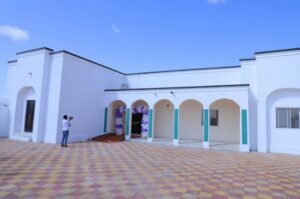
The emergency center was established following a directive from Prime Minister Hamza Abdi Barre, who has prioritized strengthening disaster management infrastructure across Somalia. SoDMA has been actively working to strengthen disaster management capacity across the country, including the construction of emergency response centers in various regions.
Strengthening Disaster Preparedness in North Eastern State
The inauguration of the emergency response center comes at a critical time for the North Eastern State, which has faced significant humanitarian challenges including drought, displacement, and food insecurity. SoDMA has been coordinating with UN partners on drought response and El Niño preparedness, with Commissioner Abdulle and UN Deputy Envoy George Conway co-chairing strategy sessions to reinforce the country’s response to the climate crisis.
The agency has bolstered joint efforts with the UN against the escalating drought emergency, which has displaced over 280,000 people since February 2026.
The new facility in Laascaanood is expected to serve as a hub for coordinating humanitarian assistance in the region, complementing the agency’s ongoing efforts to build resilience and improve disaster response. SoDMA has also been coordinating with health partners on El Niño response as the country prepares for anticipated heavy rains and potential flooding.
Commissioner Abdulle formally handed over the facility to the North Eastern State administration and urged officials to utilize the center effectively to accelerate humanitarian response, serve the community, and strengthen cooperation between the Federal Government and the North Eastern State.
Context of the Inauguration
The inauguration follows a series of high-level engagements in the North Eastern State. Commissioner Abdulle arrived in Laascaanood on August 6, 2026, to launch a drought relief programme and strengthen humanitarian response efforts in the region. The new emergency center represents a significant investment in the region’s disaster management infrastructure and is expected to improve the government’s ability to respond to future emergencies.
Prime Minister Hamza Abdi Barre arrived in Laascaanood on August 2 to take part in celebrations marking the first anniversary of the establishment of the North Eastern State administration and to oversee the launch of government development and public service initiatives in the region. The visit drew strong condemnation from Somaliland, which has described the visit to Las Anod as a “clear provocation” and a violation of its claimed territorial sovereignty.
This initiative is part of SoDMA’s broader mandate to lead disaster management efforts across Somalia, as outlined in its foundational documents which emphasize prevention, preparedness, response, and recovery from both natural and man-made disasters.
Critical Note
While the inauguration of the North Eastern State Emergency Response Center represents a significant step in strengthening disaster preparedness in the region, the effectiveness of the facility will ultimately depend on sustained funding, training, and coordination. The humanitarian situation in Somalia remains dire, with 6.5 million people facing high levels of acute food insecurity and 1.9 million children suffering from acute malnutrition. The center’s ability to respond effectively to future emergencies will require continued investment in equipment, personnel, and coordination with federal and regional authorities. Furthermore, the political tensions surrounding the status of the North Eastern State, including Somaliland’s opposition to federal engagement in the region, could complicate humanitarian access and the delivery of assistance. The government would be well advised to ensure that the center serves all communities in need, regardless of political affiliations, and that its operations are transparent and accountable. The international community, which has supported the construction of the facility, must also press for its effective utilization and for continued investment in disaster management capacity across all regions of Somalia.
Recommended Reading On ftlsomalia.com
- SoDMA and UN’s George Conway Hold Talks on Drought Response and Super El Niño Preparedness
- SoDMA and UN Bolster Joint Efforts Against Escalating Drought Emergency
- SoDMA and Health Partners Coordinate El Niño Response
- SoDMA Commissioner Arrives in Laascaanood
- Prime Minister Hamse Arrives in Las Anod
- PM Hamse’s Las Anod Visit Draws Public Support and Somaliland Condemnation