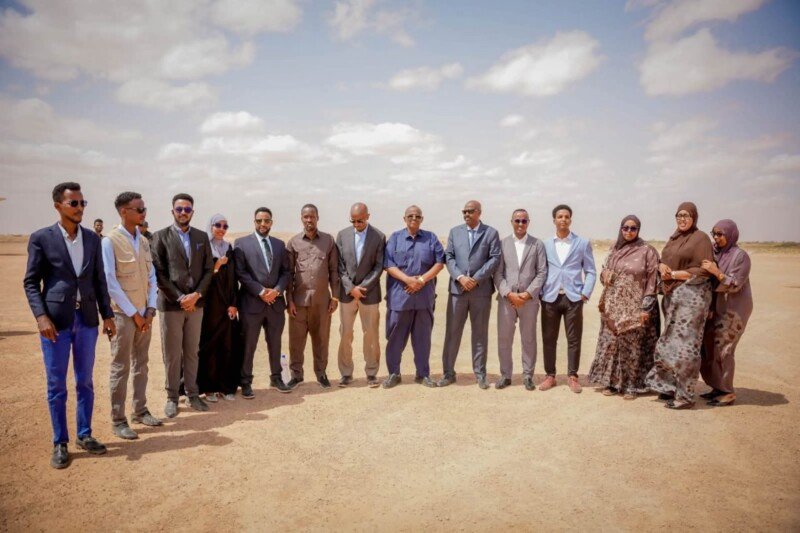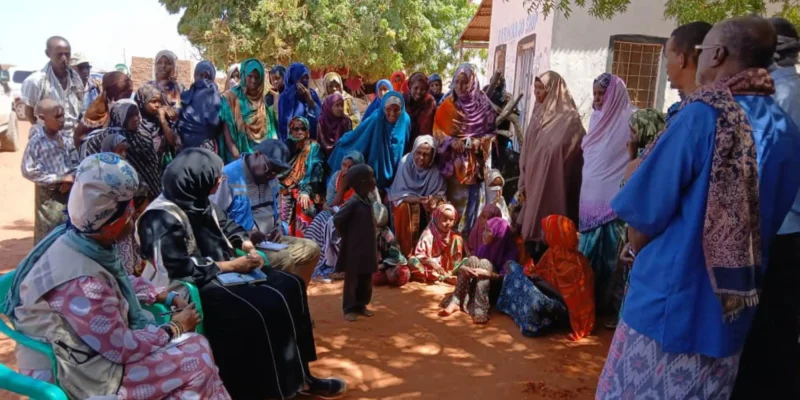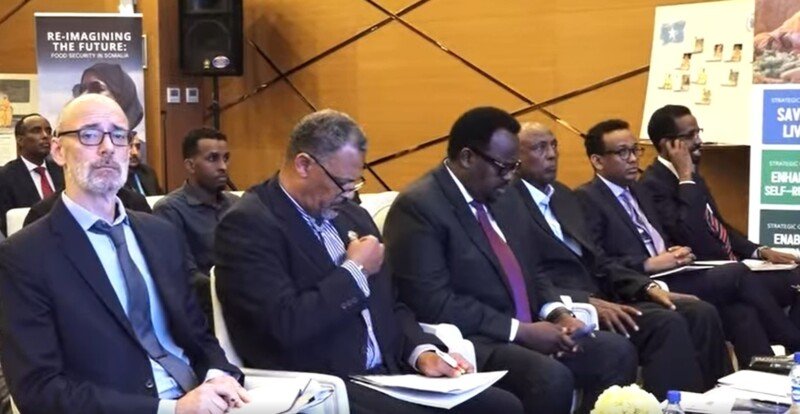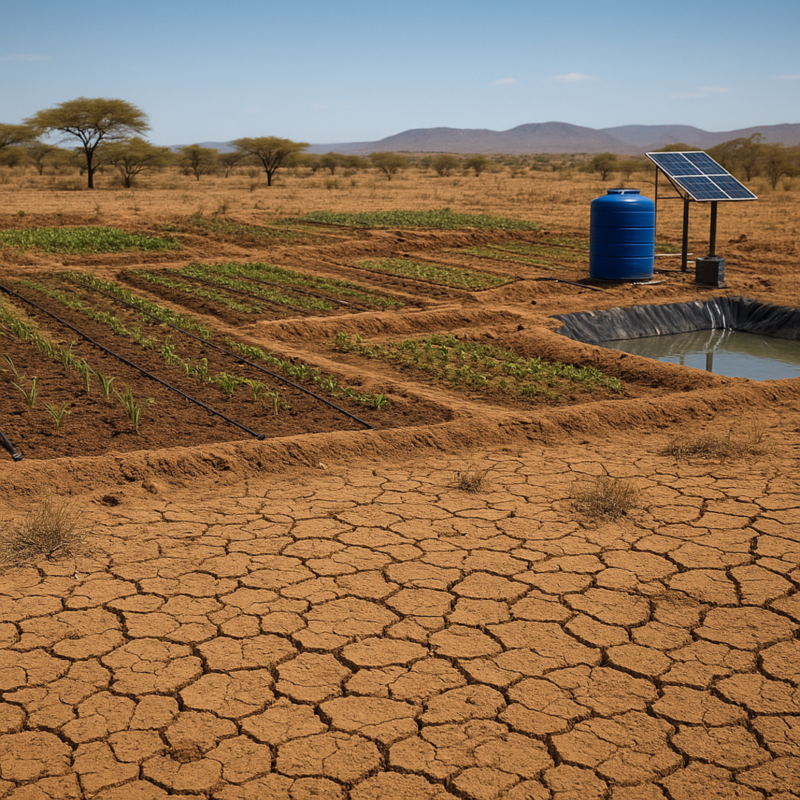
MOGADISHU: The Federal Government of Somalia has launched a new climate resilience initiative named “Activating Climate Resilient Agricultural Livelihoods in Somalia” (ACALS) to support farmers and pastoralists as the country faces persistent droughts and extreme weather conditions. The program will deliver climate-adapted technologies and livelihood support to vulnerable communities in Hirshabelle and Puntland states.
The project is supported by the African Development Bank (AfDB) and will be implemented jointly by the World Food Programme (WFP) and the United Nations Office for Project Services (UNOPS). According to government officials, the initiative aims to assist approximately 30,000 individuals, with particular attention to women and youth. The announcement comes as Somalia recovers from one of the most severe drought cycles in recent history, which left millions requiring humanitarian aid and forced many people to flee their homes.
Officials said the initiative will rehabilitate agricultural systems, develop climate-resilient infrastructure, and enhance early warning and anticipatory measures to mitigate the effects of climate shocks. The project builds on the $140 million Jowhar Offstream Storage Programme (JOSP) in Hirshabelle State, a climate resilience scheme that aims to reach more than 1.5 million people by reducing flood risks while mitigating drought.
Although seasonal rains have improved conditions in certain regions, aid organizations caution that communities remain susceptible to future challenges, including floods and unpredictable rainfall patterns. The federal government and international collaborators have intensified efforts to transition from emergency aid to sustainable resilience, focusing on climate adaptation, food security, and long-term livelihoods. Officials indicate that the ACALS project forms part of this comprehensive approach to reduce reliance on humanitarian assistance and enable communities to endure future climate emergencies.
Similar Climate Resilience Initiatives
The ACALS program joins several ongoing climate resilience efforts across Somalia. The Horn of Africa Groundwater for Resilience Project, locally known as Abaartire, has been gaining momentum by rehabilitating boreholes and improving access to clean water in drought-prone regions such as Galmudug. That initiative, supported by the World Bank, focuses on groundwater mapping, infrastructure rehabilitation, and community engagement to build a sustainable water future.
The Federal Government has also strengthened its partnership with the United Nations Development Programme (UNDP), with both parties committing to intensify collaborative efforts to tackle internal displacement and persistent drought conditions while building resilience nationwide. A five-day Strategic Climate Finance Advisory Mission in Mogadishu brought together senior officials from the Ministry of Finance and other key institutions to enhance Somalia’s access to climate finance through the Green Climate Fund and Adaptation Fund.
Somalia and the World Food Programme have formalized cooperation on climate resilience, synchronizing logistical capabilities, data-sharing, and specialized knowledge to develop lasting resilience among the country’s most at-risk communities. The Somali Disaster Management Agency (SoDMA) has established robust disaster response mechanisms across the country, implementing a National Disaster Management Policy that integrates early warning systems and rapid emergency logistics.
The World Bank-supported Catastrophe Deferred Drawdown Option (Cat DDO) project has provided the government with rapid financial access in the event of a disaster, allowing immediate action to protect lives and livelihoods while long-term recovery plans are set in motion. SoDMA has intensified efforts to deploy technology-driven early warning systems that can protect Somali communities from recurring natural disasters, delivering alerts through mobile messaging, social media, community radio, and local networks to reach even the most remote villages.
Environment and Climate Change Minister Bashir Mohamed Jama has announced that the federal government will intensify climate adaptation and environmental protection initiatives. Following an evaluation mission to Galmudug State that revealed escalating harm to communities and infrastructure, the minister affirmed that federal authorities would collaborate with regional administrations to implement specialized adaptation strategies. Somalia has also been recognized as the first country in East Africa to submit its updated Nationally Determined Contributions (NDC), reporting significant progress in advancing the National Adaptation Plan (NAP) and strengthening mechanisms for accessing international climate finance.
The “Greener Somalia” program continues to gain momentum, with tree-planting activities implemented throughout all districts of Banadir as part of a broader strategy to combat climate change and restore the country’s natural landscape. Somalia has acceded to the 1992 United Nations Water Convention, signaling a new phase in the nation’s approach to managing its vital water resources, particularly the Juba and Shabelle rivers, which serve as lifelines for agriculture, livestock, and domestic use in the south.