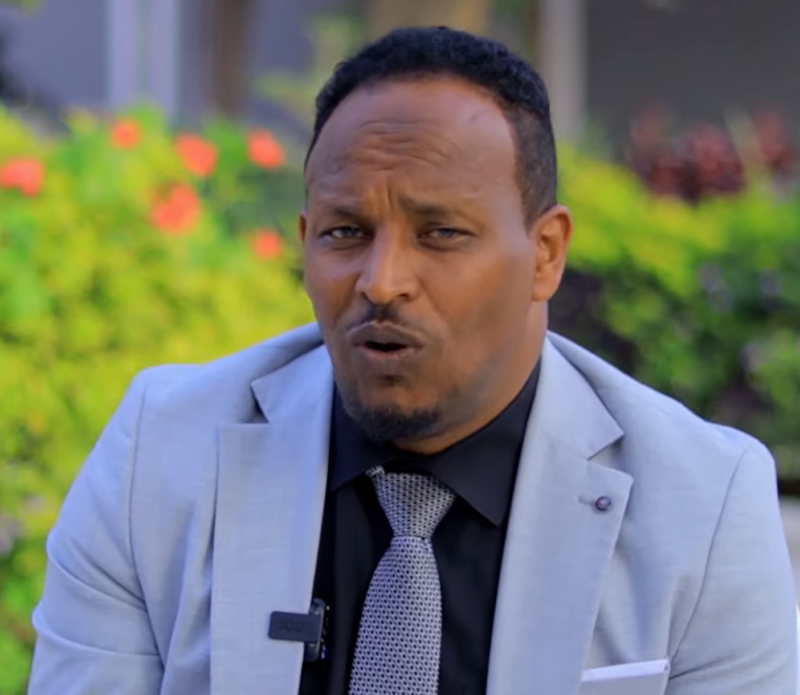
HARGEISA — The Somaliland administration has arrested prominent Somali poet Abwaan Jiheeye, less than 24 hours after he publicly complained about alleged pressure and intimidation over a land dispute involving his residence.
Abwaan Jiheeye, who is reportedly a neighbour of Somaliland President Abdirahman Mohamed Abdullahi (Irro), was ordered to vacate his home after claiming he had been subjected to pressure and fear over a land matter. The poet stated that most of his neighbours had been forced to sell their properties, while he and a small group had refused to leave. Following his public complaints, expressed in a poem in which he appealed to God against President Irro, the poet was detained and taken into custody.
This is not the first time the Somaliland administration has been accused of targeting intellectuals. Religious scholars, academics, and journalists have previously been arrested or subjected to pressure by authorities.
The arrest comes amid ongoing political tensions in Somaliland’s Awdal region, where the government used live rounds to disperse protesters in Borama in May 2026. At least 19 civilians were killed and 214 others injured during protests in December 2025, with religious scholars detained for sermons condemning ties with Israel.
The arrest follows a pattern of media and civil society restrictions in Somaliland, with 23 documented cases of harassment or legal action against journalists, political activists, and religious leaders in 2025.
The poet’s detention comes amid widespread land disputes across Somalia, particularly in Mogadishu, where the federal government has been accused of orchestrating forced evictions and land grabs targeting citizens.
Mogadishu Land Crisis
In August 2026, families in Mogadishu’s Wabari district took to the streets to protest forced evictions, with demonstrators criticising President Hassan Sheikh Mohamud and accusing Turkey of supporting what they described as a “bloody hand” in Somalia. Somali government forces used live ammunition against residents resisting eviction from their homes, according to reports.
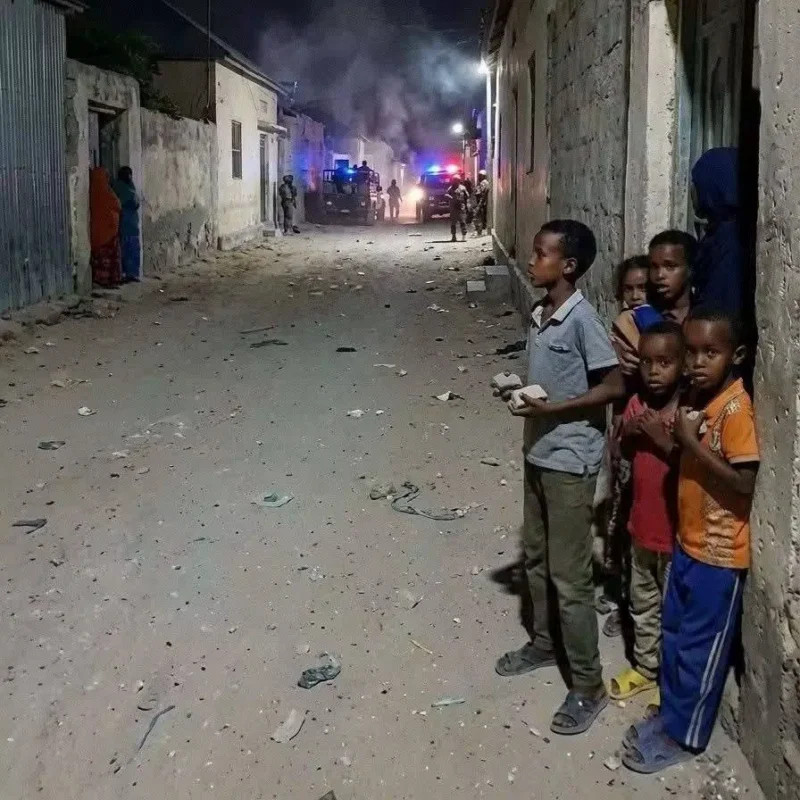
Heavy fighting erupted in the capital in May 2026 when rival security factions clashed over government attempts to demolish the Warlaliska neighbourhood in the Daynile district. The area is home to thousands of low-income families, many of whom depend on daily income from the Bakaro market. Witnesses reported heavily armed forces entering the neighbourhood with bulldozers and attempting to demolish houses while some residents remained inside, refusing evacuation orders. The incident sparked intense gun battles that reverberated across Mogadishu, with continuous gunfire exchanges involving heavy weapons.
Former Prime Minister Omar Abdirashid Ali Sharmarke has strongly condemned the ongoing evictions and demolitions in Mogadishu, specifically citing Buulo Elay and the two Tokyo neighbourhoods in Howlwadaag and Yaqshiid districts, where he said tens of thousands of people have been displaced. “The displacement of tens of thousands of people… without consultation with the community, is an entirely unacceptable and painful matter,” Sharmarke said.
The Union of Somali Islamic Scholars Councils has also called on the federal government to halt actions that deprive citizens of their property rights, urging President Hassan Sheikh Mohamud, Prime Minister Hamza Abdi Barre, the Banadir regional administration, and relevant government institutions to independently investigate the complaints and hold accountable anyone found to have abused their authority.
Nearly 10 people were injured in clashes between government forces and residents protesting the demolition of homes in the Tookiyo neighbourhood of Yaqshiid district, according to local reports. Residents staged a protest against security forces after being informed that their homes would be demolished on land that the government claims as public property.
Meanwhile, Banadir Governor and Mogadishu Mayor Hassan Mohamed Hussein (Muungaab) has defended the demolitions, stating that the government’s plan is to rehabilitate public land in Kaaraan and Yaqshiid districts to open major roads and beautify the city. He asserted that the land would be legalised for its original owners, and that those with valid documents would not have their property touched.
The United Nations has warned that more than 142,000 internally displaced people have been forcibly evicted from temporary shelters since the start of 2025, with the majority of those evictions taking place in urban settlements across Mogadishu, Baidoa, and Kismayo.
Critical Note
The arrest of Abwaan Jiheeye in Somaliland and the ongoing land crisis in Mogadishu reflect a broader pattern of land-related grievances and repression across Somalia. While Somaliland has often been praised for its relative stability and democratic processes, the treatment of those who speak out against the authorities raises serious questions about the rule of law and freedom of expression in the region.
The poet’s complaint, which he voiced through poetry—a traditional and respected form of expression in Somali culture—was met not with dialogue or due process but with detention. This suggests that the administration of President Irro may be increasingly intolerant of dissent, particularly when it touches on issues of land and property.
In Mogadishu, the federal government’s response to land disputes has similarly been marked by the use of force against residents and the targeting of political opponents. The use of live ammunition against civilians protesting evictions and the deployment of heavy military equipment in densely populated civilian areas represent a disturbing escalation that signals a disregard for the rule of law and the protection of civilians.
Without transparent investigation into the alleged irregularities and a commitment to resolving land disputes through legal processes, the cycle of violence and displacement is likely to continue across Somalia, with civilians bearing the heaviest burden. The international community must press for accountability and the protection of property rights, recognizing that land disputes are not merely local grievances but threats to Somalia’s long-term stability.
Recommended Reading On ftlsomalia.com
- Mogadishu Residents Protest Forced Evictions in Wabari District
- Mogadishu Violence Erupts as Security Forces Clash Over Evictions
- “Unacceptable”: Former PM Slams Displacement as Banadir Governor Defends Land Clearance
- Religious Leaders Call on Government to Halt Land Grabs
- Violence Erupts in Mogadishu as Residents Protest Demolition of Homes in Tookiyo Neighbourhood
- Protest Against Somaliland’s May 18 Celebrations Erupts in Borama