HARGEISA – The opposition Kaah party has strongly criticised the decision by Somaliland President Abdirahman Mohamed Abdullahi (Irro) to open an embassy in Jerusalem, describing the move as a hasty political step that could have far-reaching consequences for the region’s diplomatic standing and long-term stability.
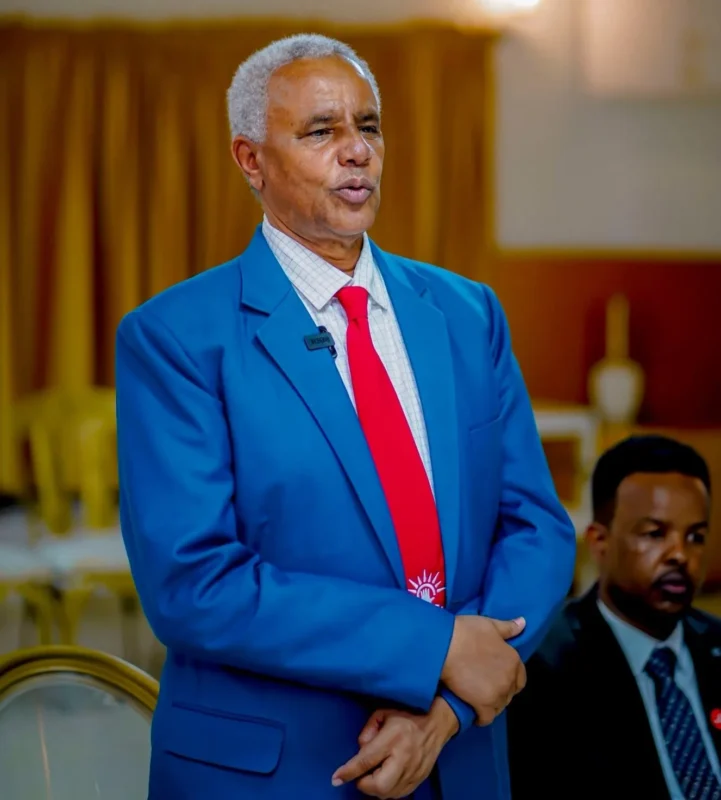
Ambassador Barkhad Mohamed Kaariye, the party’s foreign affairs secretary, told a press conference in Hargeisa that the government was rushing into major political decisions without adequate consultation or a clear strategic vision. He argued that diplomatic agreements and foreign policy steps should be comprehensive and based on clear, verifiable objectives rather than limited, opaque arrangements.
The Kaah party’s criticism echoes warnings from former President Muse Bihi Abdi, who recently cautioned the current administration against becoming entangled in a shifting geopolitical landscape, arguing that major Islamic powers including Iran, Pakistan, Turkey, Egypt, and Saudi Arabia are forming new alliances in response to changing global dynamics.
‘A Clear Political Contradiction’
Ambassador Kaariye accused the government of contradicting its own stated positions, noting that Somaliland officials had previously voiced support for the Palestinian cause. “The government itself previously stated that the jihad is directed towards Jerusalem, yet today it has taken a different step. This is a clear political contradiction,” he said.
He warned that the government was “leading the nation’s destiny into a dark place” and that such actions could have severe diplomatic repercussions for Somaliland’s standing in the Muslim world and the wider international community.
Somaliland became the second Muslim-majority entity to open an embassy in Jerusalem, a move that has been widely criticised as an unacceptable provocation by the Arab League, the Organization of Islamic Cooperation, and 16 Arab and Muslim nations, including Egypt, Turkey, Pakistan, Indonesia, and the United Arab Emirates.
Former President Bihi’s Warning
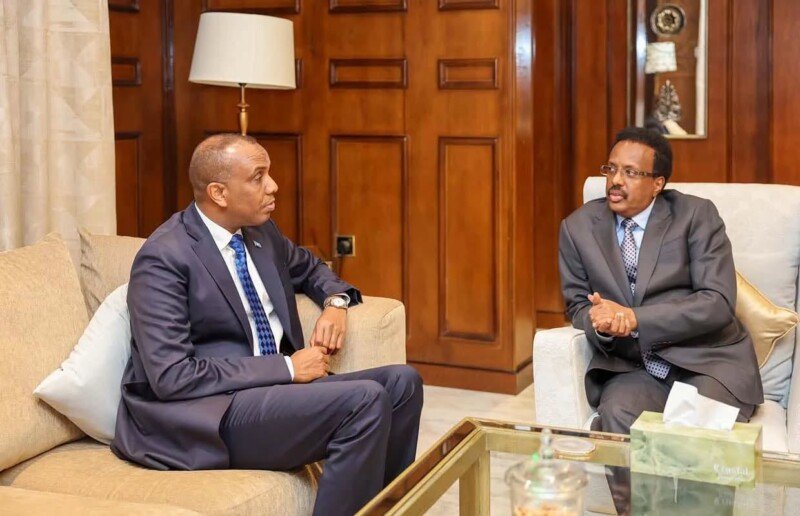
In a separate statement issued on Facebook, former President Muse Bihi Abdi also weighed in on the geopolitical implications of Somaliland’s deepening ties with Israel. He noted that the Middle East conflicts are increasingly impacting the Horn of Africa and that Somaliland must carefully weigh its international engagements to avoid strategic missteps.
The foreign ministers of 16 Arab and Islamic nations have strongly condemned the opening of the Somaliland embassy in occupied Jerusalem, describing the move as illegal, unacceptable, and a flagrant violation of international law and United Nations resolutions.
Bihi argued that the deteriorating relationship between the United States and Israel could further reshape the region, urging the government to proceed with caution. “Given these developments, it is incumbent upon the government to carefully study the potential impact of these global changes to avoid political entrapment that could harm the nation’s interests,” he said.
The Organization of Islamic Cooperation has denounced the action as a “clear defiance of the international community’s will” and a “serious breach of the United Nations Charter and relevant resolutions,” reaffirming its solidarity with Somalia’s national sovereignty and territorial integrity.
Domestic and International Reactions
The embassy opening has drawn sharp criticism not only from regional and international actors but also from within Somaliland itself. Al-Shabaab has issued a lengthy condemnation of President Irro, accusing him of abandoning Islam and urging residents of Somaliland to resist his administration.
The African Union has strongly condemned Israel’s unilateral recognition of Somaliland and called for its immediate revocation, reaffirming that Somaliland remains an integral part of Somalia.
Way Forward
The growing domestic opposition, coupled with widespread international condemnation, presents a significant challenge to the Irro administration’s diplomatic strategy. As President Irro’s state visit to Israel concluded with the opening of the embassy in Jerusalem, the long-term consequences of this decision remain uncertain, with critics warning that it could isolate Somaliland further rather than deliver the international recognition it has long sought.
Recommended Reading On ftlsomalia.com:
- Muse Bihi Cites ‘Geopolitical Storms’ in Warning to Somaliland Leadership Over Israel Ties
- Somaliland to Open Jerusalem Embassy as Second Muslim Nation in Israel Deal
- 16 Arab and Muslim Nations Condemn Somaliland’s Alleged Plan for Jerusalem Embassy
- OIC Condemns Somaliland’s Jerusalem Embassy Plan
- Al-Shabaab Condemns Somaliland Jerusalem Embassy