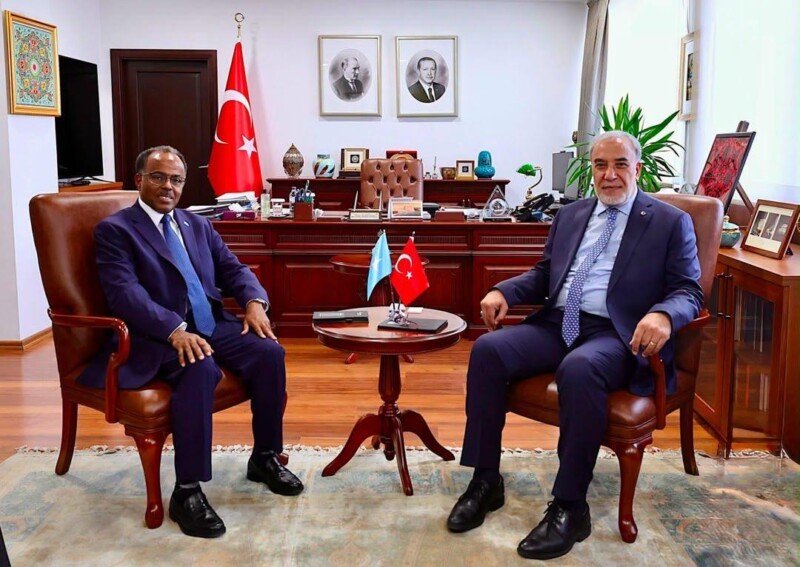
ANKARA/MOGADISHU – Turkey’s parliament has approved a two-year extension of the Turkish Armed Forces’ military mission in Somalia, in a process that stood in stark contrast to the secrecy surrounding similar agreements on the Somali side, where legislators have been consistently denied access to the texts of key bilateral deals.
The extension, which takes effect on July 27, authorizes Turkish forces to continue providing military training, advisory support and assistance to Somalia, including operations against terrorism, piracy, illegal fishing and other security threats. The Turkish parliament debated the motion on July 21 and passed it the same day. The new mandate will run until July 27, 2028.
Transparency in Ankara, Secrecy in Mogadishu
The contrast between the two countries’ approaches to parliamentary oversight could not be more pronounced. In Turkey, the extension was debated openly in the Grand National Assembly, with ruling party and opposition lawmakers voicing their views. While the extension received broad support, some opposition lawmakers questioned the government’s transparency over the deployment and called for greater parliamentary oversight of Turkey’s military role in Somalia. Critics also pointed to the motion’s open-ended language, which effectively grants President Recep Tayyip Erdogan broad authority over the scope, size and timing of the deployment.
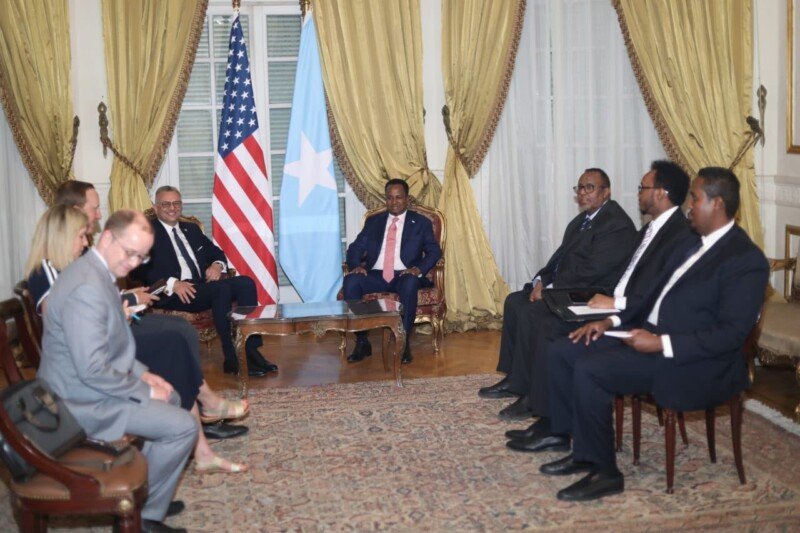
In Somalia, by contrast, legislators have been systematically excluded from reviewing major agreements with Turkey. Somali Senator Professor Abdi Ismail Samatar has publicly accused Ankara of operating on the basis of “fraudulent” agreements that the Somali Parliament has never seen. “The Somali Parliament has yet to see the texts of the two ‘agreements.’ Despite knowing these facts, the Turkish leadership has decided to ignore them and proceed with the exploration,” Samatar said, branding Turkey a “resources pirate.”
A Pattern of Exclusion
The lack of transparency extends beyond the military realm. A leaked oil and gas deal between Somalia and Turkey, reportedly signed in secret by only two Somali ministries, grants Turkey exclusive control over exploration, refining and marketing operations, with Somalia entitled to just 5% in royalties. The agreement was never disclosed to the Somali Parliament, a clear violation of the country’s constitutional order.
Somali Member of Parliament Abdirahman Abdishakur Warsame has described the deal as “deeply imbalanced,” warning that it could compromise Somalia’s national interests. The parliamentary Natural Resources Committee has also strongly opposed the agreement, with lawmakers arguing they were not informed of the deal.
A judicial agreement with Turkey has also faced opposition from Somali lawmakers, who criticized the government for failing to present previous agreements to parliament for review. Some legislators have gone as far as to block the judicial deal, demanding transparency.
A Decade of Growing Military Partnership
Turkey has been one of Somalia’s closest security partners for more than a decade. Since opening the TURKSOM military training base in Mogadishu in 2017, Ankara has trained thousands of Somali soldiers and expanded cooperation in defence, maritime security and military capacity building. Turkish military instructors have conducted specialised training for members of the elite Gorgor unit, equipping Somalia’s most capable units with skills in infantry manoeuvres, urban warfare and counter-terrorism operations.
Somalia and Turkey renewed their defence ties with a revised protocol in July 2025, marking a strategic recalibration of the original agreement. In February 2026, a Turkish military transport docked at Mogadishu Port, offloading a shipment of M48 and M60 Patton battle tanks, signaling a major escalation of Ankara’s military footprint in the Horn of Africa.
Naval Forces Protecting Offshore Drilling
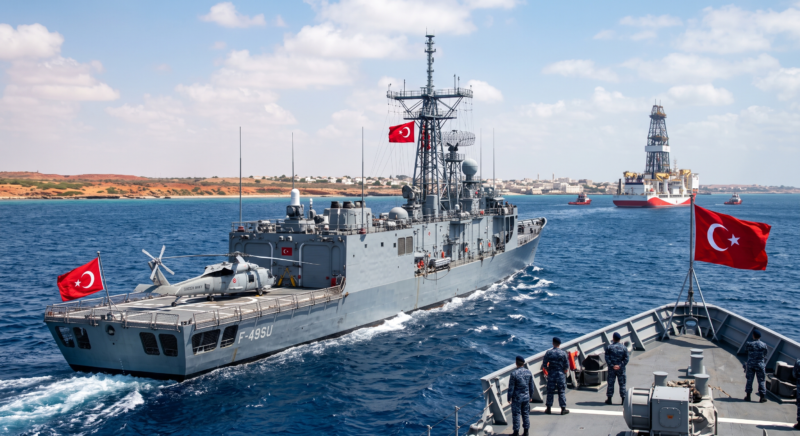
The extension comes as Turkish naval vessels continue to escort and protect a drilling fleet operating off the Somali coast. TCG Goksu, TCG Gelibolu and TCG Bartin, deployed as part of the Somalia Naval Task Group, are providing security for the Cagri Bey drilling ship, according to Turkey’s National Defense Ministry. The vessels are also escorting the Korkut, Altan and Sancar support ships.
The Cagri Bey ultra-deep-sea drillship began its inaugural international deep-water energy operation off Somalia in early 2026. The mission is being safeguarded by the Turkish Naval Forces Command, ensuring security for the vessel and its crew in the strategic waters off the Horn of Africa. Turkey’s drilling vessel, the Cagri Bey, departed from Mersin Port heading toward the Somali coast to commence its operations.
Way Forward
The two-year extension of Turkey’s military mission in Somalia underscores Ankara’s deepening strategic role in the Horn of Africa. But the contrast between Turkey’s parliamentary debate, however limited, and Somalia’s complete lack of legislative oversight raises fundamental questions about the legitimacy of the agreements governing their relationship. While Turkish lawmakers—even in opposition—have a platform to question the deployment, Somali legislators have been left in the dark, unable to scrutinise deals that shape their country’s future. As one Somali senator warned, the Somali people “will not forget Turkey’s great deception.”
Recommended Reading On ftlsomalia.com
- Turkish Land Forces Commander Arrives in Mogadishu to Deepen Defence Ties
- Somalia and Türkiye Renew Defence Ties with Revised Protocol
- Turkish Naval Delegation and Exploration Vessels Arrive in Mogadishu; Maritime Security Talks Held
- Turkey Deploys Drilling Vessel to Somali Waters for Energy Exploration
- President Hassan Names New Military Logistics Commander
- Somalia, Turkey Deepen Naval Cooperation to Rebuild Somali Navy