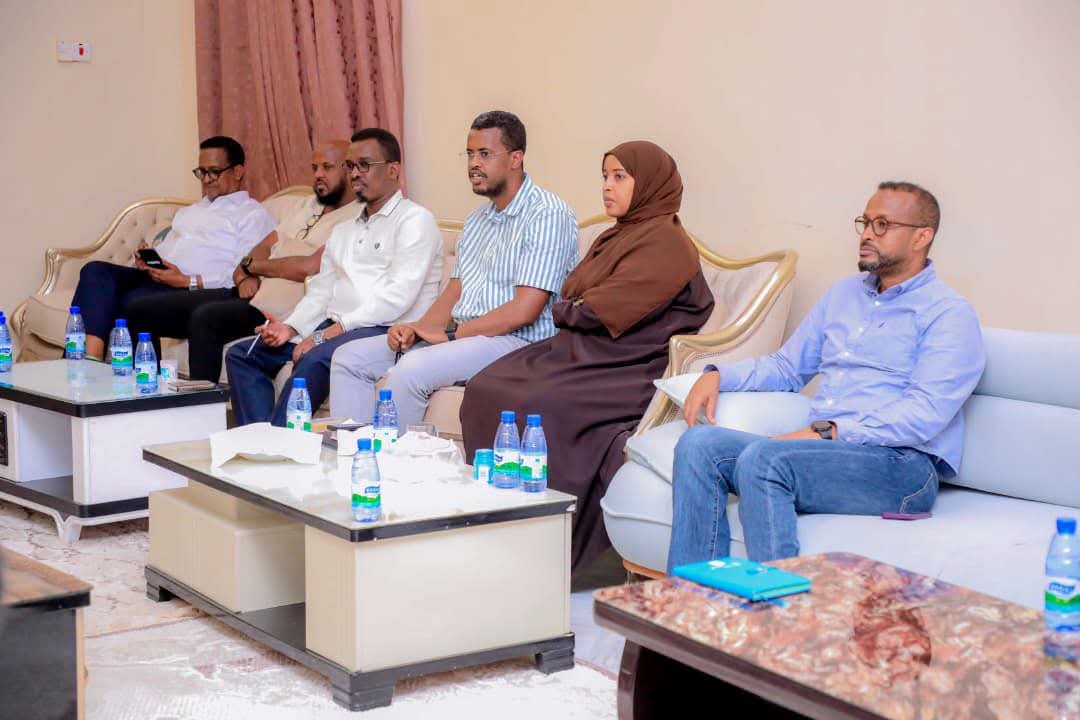
DHUSAMAREB – The chairman of the National Independent Electoral and Boundaries Commission (NIEBC), Abdikarim Ahmed Hassan, has held a meeting with political parties in Dhusamareb, where he confirmed that the Galmudug presidential election will proceed as scheduled on July 25, 2026, despite requests from some parties to delay the vote to allow more time for campaigning.
The meeting, which brought together representatives of political parties operating in Galmudug, was held to discuss preparations for the upcoming election. Chairman Hassan briefed the parties on the electoral preparations and emphasised that the commission would not alter the previously announced timeline.
“We will not change the election schedule that was previously set for July 25,” Hassan told the gathering, according to officials present at the meeting.
Parties Seek More Campaign Time
Political parties had submitted a request to the electoral commission seeking an extension of the campaign period, citing logistical challenges and the need to reach voters across Galmudug’s vast and far-flung districts. The parties argued that the current timeline does not provide sufficient opportunity to engage with voters in remote areas, particularly given the distances between districts.
The request, which was formally submitted to the commission, highlighted concerns that the compressed campaign period could disadvantage candidates who lack the resources to mount rapid, widespread outreach efforts. Some party representatives also expressed concern that the rushed timeline could undermine the quality of public engagement and voter education ahead of the election.
However, Chairman Hassan rejected the request, stating that the commission’s schedule had been set in accordance with national electoral regulations and that any delay would disrupt the broader electoral calendar. He stressed that the commission had already completed the technical preparations and that the July 25 date was final.
Security Coordination and Electoral Integrity
The meeting also addressed security arrangements for the election. Chairman Hassan said the commission had held discussions with security officials to ensure the safety of polling stations and the overall electoral process. He underscored the importance of cooperation among all stakeholders to ensure a peaceful and credible vote.
The electoral commission has officially scheduled the Galmudug presidential election to take place on July 20, 2026, with 215,860 individuals successfully enrolled and issued voting cards across the Galgaduud and Mudug regions, according to earlier commission statements. However, the date was later rescheduled to July 25 to accommodate logistical preparations.
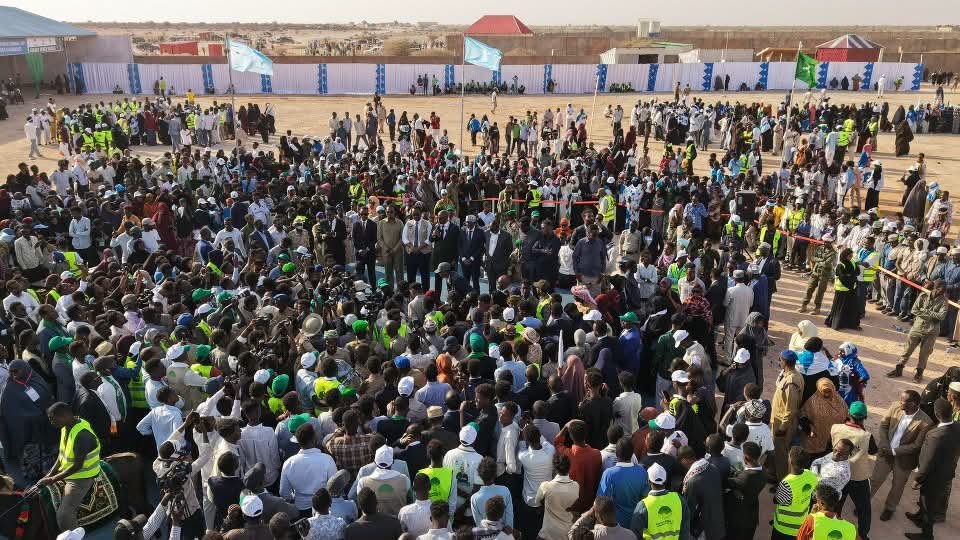
Campaign activity has intensified across Galmudug in recent weeks, with candidates from various political parties crisscrossing the region to rally support. Galmudug presidential hopeful Liibaan Ahmed Hassan (Liban Shuluq), who has received the backing of President Hassan Sheikh Mohamud, addressed thousands of supporters in Dhusamareb, pledging to defeat Al-Shabaab within six months and heal clan divisions.
A Commission That Follows Orders, Not Principles
The electoral commission’s refusal to grant an extension to the campaign period raises fundamental questions about its independence and commitment to a level playing field. In a region where many voters lack access to information and candidates struggle to reach remote communities, the decision to rush the process serves the interests of well-funded candidates with federal backing, not the voters who deserve meaningful engagement.
The commission’s insistence that it is simply following the law conveniently overlooks the fact that electoral timelines are not fixed in stone; they can and have been adjusted in response to practical realities. The decision to reject the parties’ request without considering a compromise, such as a brief extension or additional resources for voter outreach, suggests that the commission is more interested in checking boxes than ensuring a genuinely democratic process.
The denial of additional campaign time, while technically within the commission’s authority, risks alienating political parties and undermining the very democratic principles the election is meant to advance. It also raises concerns about whether the commission is willing to accommodate legitimate concerns from political actors, or whether it is simply following orders from above.
Political Context and Concerns
The decision to proceed with the July 25 date comes amid a deepening political rift between the federal government and the Galmudug administration, which has threatened to destabilise the region. Galmudug President Ahmed Abdi Kariye (Qoor-Qoor) announced his withdrawal from the presidential race following talks with federal officials, clearing the way for the federal government’s preferred candidate.
However, the rushed timeline and the federal government’s heavy-handed role in shaping the electoral outcome have raised concerns among political parties and civil society observers about the legitimacy of the process. A bitter disagreement between President Mohamud and his intelligence chief over who should lead Galmudug has exposed deep fractures within the ruling party and raised questions about the independence of the electoral process.
Way Forward
The electoral commission’s decision to reject the parties’ request for a delay reflects its determination to stick to the announced timeline, but it also raises questions about whether the commission is willing to accommodate legitimate concerns from political actors. The compressed campaign period, combined with the federal government’s heavy-handed involvement in the electoral process, has fueled scepticism about the credibility of the vote.
As Galmudug prepares for its first direct presidential election, the success of the process will depend not only on the commission’s logistical preparations but also on its ability to ensure a level playing field for all candidates and to maintain public confidence in the integrity of the vote. The refusal to grant additional campaign time, while technically within the commission’s authority, risks alienating political parties and undermining the very democratic principles the election is meant to advance. If the commission is seen as a rubber stamp for the federal government’s preferences rather than an independent arbiter of a free and fair contest, the legitimacy of the outcome will be questioned before a single ballot is cast.
Recommended Reading On ftlsomalia.com
- NIEC Releases Official Timeline for Galmudug State Elections
- Tawfiq Party Chairman Sheikh Shakir Launches One-Person-One-Vote Campaign in Hobyo
- Galmudug Candidate Pledges to Defeat Al-Shabaab and Heal Divisions in Six Months
- NISA Chief Arrives in Galmudug Amid Election Tensions
- Galmudug President Qoor-Qoor Withdraws from Presidential Race
- Growing Rift Over Galmudug Leadership at Villa Somalia