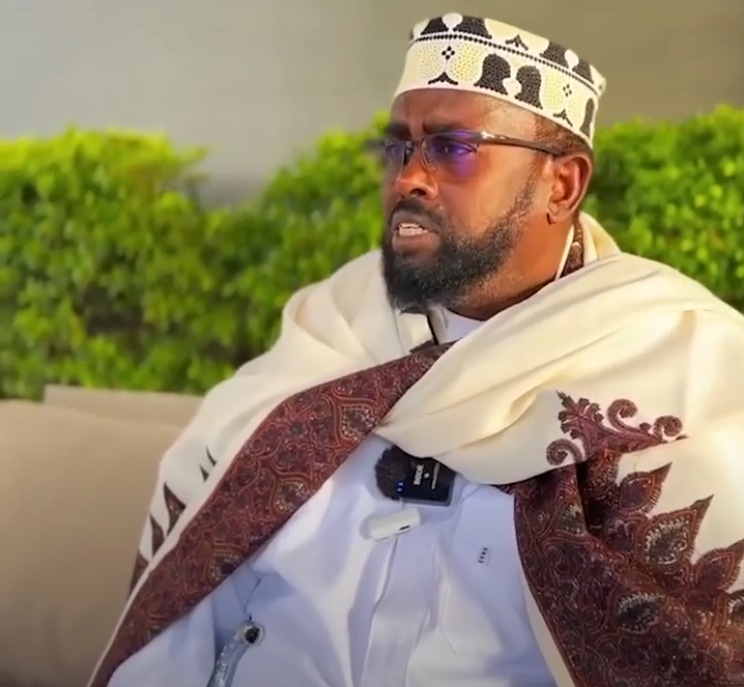
HARGEISA – A prominent traditional elder from Somaliland, Boqor Cismaan Aw Maxamuud (Buurmadow), has called for genuine dialogue between Somaliland and the Federal Government of Somalia, suggesting that reunification could be possible if Somaliland is granted the flag and the capital.
In a recent interview, Boqor Buurmadow, described the political dispute between the two sides as one that requires a political solution, not animosity toward Somalia. He said dialogue and compromise represent the most viable path to resolving the decades-long dispute.
A Conditional Path to Reunification
Boqor Buurmadow expressed support for reunification with Somalia, but on specific terms. “If Somaliland is given the flag and the capital, let us unite with Somalia, why would we refuse?” he said, framing the issue as one of recognition and dignity rather than separation.
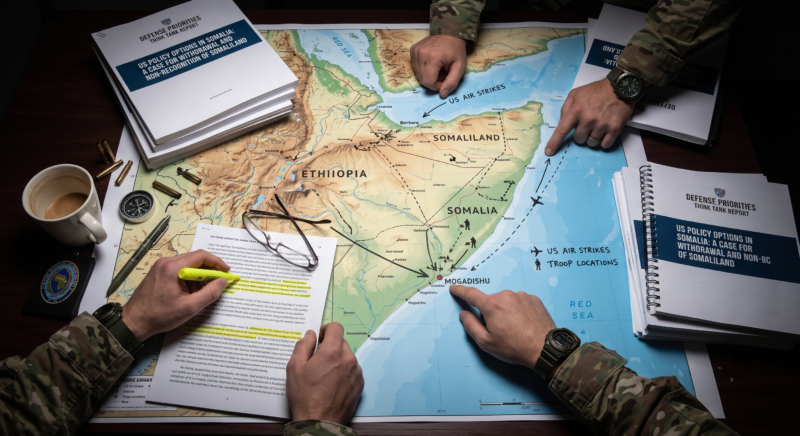
The elder’s remarks come at a time when the relationship between Mogadishu and Hargeisa is at a particularly low point. Somaliland declared independence from Somalia in 1991 but has not received broad international recognition, with Israel becoming the first country to formally recognize it in December 2025. Somalia’s federal government maintains that Somaliland remains part of the Federal Republic of Somalia, a position that has been repeatedly reaffirmed by President Hassan Sheikh Mohamud.
Israel Ties and Regional Pressures
The traditional leader also addressed Somaliland’s recent diplomatic engagement with Israel, which he said was driven by political pressure from Mogadishu rather than a genuine desire for such ties. Israel officially recognized Somaliland as a sovereign state in December 2025, becoming the first UN member to do so. Somaliland has since opened an embassy in Jerusalem, becoming only the second Muslim-majority entity to do so after Kosovo. Israel has formally accepted Somaliland’s inaugural ambassador, and Somaliland has indicated it is prepared to offer Israel rights to valuable mineral deposits in exchange for technology and investment.
The move drew sharp criticism from Somalia, with President Mohamud stating that foreign policy and recognition remain the constitutional responsibility of the Federal Government. The recognition has triggered a sharp divide between international allies and regional bodies, with the African Union condemning the move and backing Somalia’s unity. IGAD has also reiterated its backing for Somalia’s sovereignty and territorial integrity.
Boqor Buurmadow argued that if the two sides had reached a political agreement earlier, Somaliland would not have needed to seek such relationships. He suggested that Somaliland’s grievances are political in nature and require a political solution, but they do not represent hatred toward Somalia. He advised that if the Federal Government shows willingness to address the outstanding grievances, Somaliland should reconsider its ties with Israel.
A Growing Chorus for Dialogue
Boqor Buurmadow’s call for dialogue aligns with a growing sentiment among regional and international actors that the dispute between Somalia and Somaliland requires a negotiated settlement. Former NISA Director Abdullahi Mohamed Ali Sanbaloolshe recently stated that Somalia’s unity or separation will not be determined by recognition from a single country, but through dialogue between Mogadishu and Hargeisa and the positions of regional and international bodies. He also noted that whether the two sides want to remain united or separate, a lasting solution can only come through agreement, consensus and mutual consent.
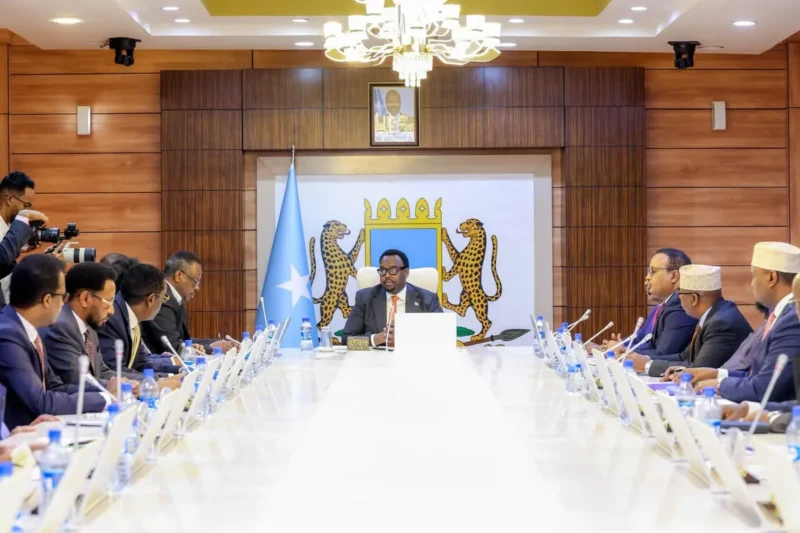
President Hassan Sheikh Mohamud has repeatedly called on Somaliland officials to engage in dialogue, saying he is open to compromise on all issues except “unity of the country”. President Mohamud has described Israel’s recognition as “one of the darkest days in Somalia’s history” and has cautioned that Israel’s engagement with Somaliland risks importing the Middle East’s conflicts into the Horn of Africa. In January 2026, the president visited Las Anod to attend the swearing-in ceremony of the president of the newly established Northeast State, a visit described as “a symbol of strengthening the unity and efforts of the federal government to enforce the territorial unity of the Somali country”.
Way Forward
Boqor Buurmadow’s statement represents a significant intervention from a respected traditional leader at a critical moment in Somalia-Somaliland relations. His conditional support for reunification, his call for dialogue, and his suggestion that Somaliland’s Israel ties could be reconsidered if grievances are addressed, offer a potential opening for renewed engagement between the two sides. However, the gap between the positions of Mogadishu and Hargeisa remains wide, and the path to a negotiated settlement is fraught with political and practical challenges. Whether this latest call for dialogue will translate into meaningful progress remains to be seen.
Recommended Reading On ftlsomalia.com
- Israel Formally Recognizes Somaliland as Independent Sovereign State
- Somaliland to Open Jerusalem Embassy as Second Muslim Nation in Israel Deal
- Israel Welcomes Somaliland’s First Ambassador
- Somaliland Eyes Trade Pact with Israel; Offers Mineral Rights in Exchange for Tech
- The Somaliland Recognition Crisis: Israel Stands Alone Amid Global Condemnation
- AU Council Condemns Israel’s Recognition of Somaliland, Backs Somalia’s Unity
- IGAD backs Somalia’s integrity as Israel-Somaliland ties grow
- Somaliland Welcomes Defection of North Eastern State MP Who Once Fought Against Hargeisa