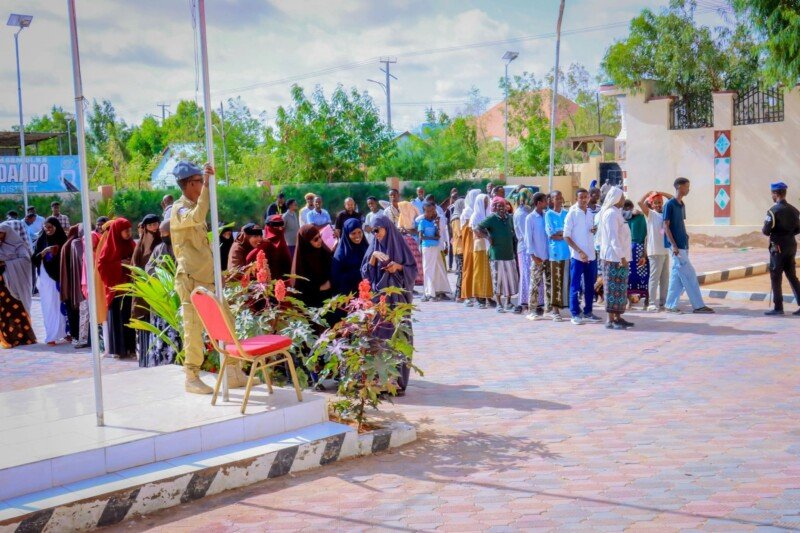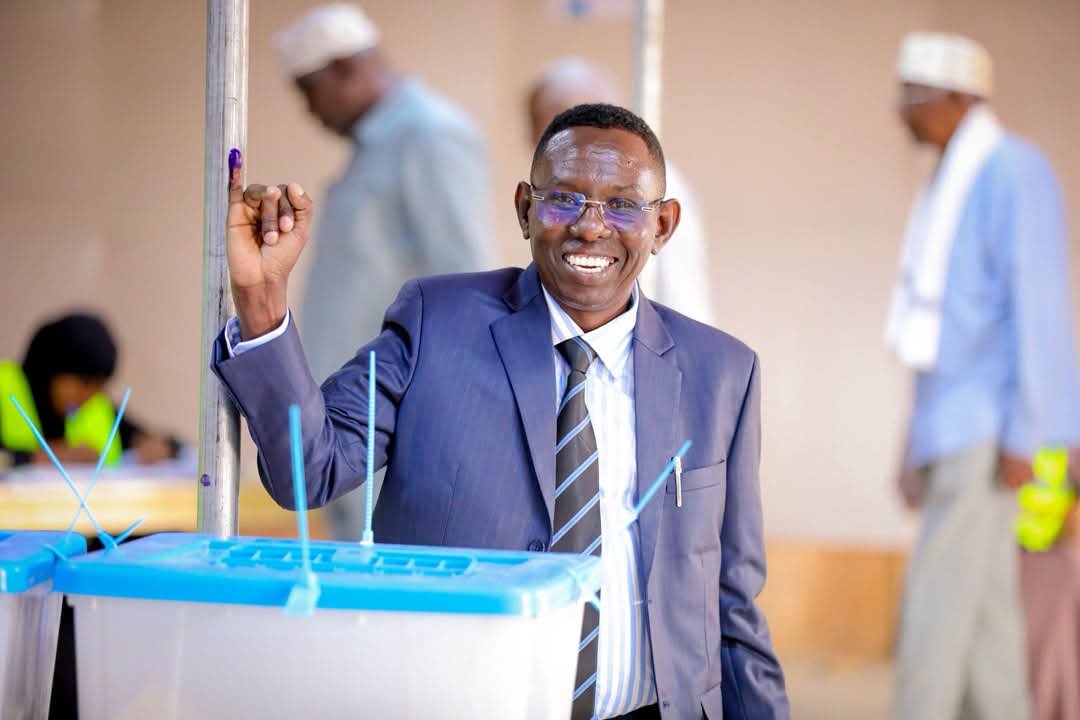
DHUSAMAREB – Polling stations across Galmudug State have officially closed, marking the end of voting in the region’s historic one-person, one-vote elections, with the electoral commission reporting a smooth process overall while confirming that investigations are underway into irregularities at some polling stations.
The elections, which opened across approximately 300 polling stations in 11 districts, determined the membership of both local councils and the Galmudug State House of Representatives. A total of 369 candidates from 12 political organizations contested the 89 seats of the regional parliament, while 924 candidates from 16 political organizations competed for 243 seats across the 11 local councils.
A Smooth Process, But Not Without Concerns
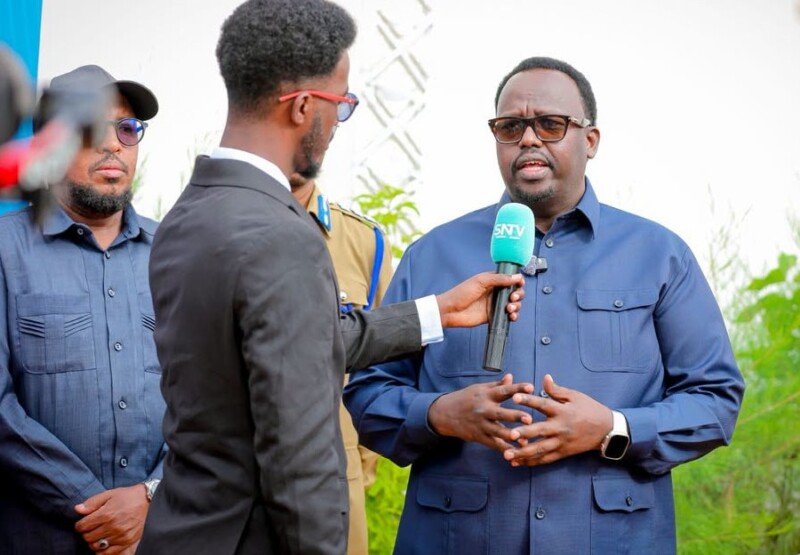
Galmudug Electoral Commission Chairman Abdikarim Ahmed Hassan confirmed that the voting process was largely smooth and that polling stations closed on time, though some remained open longer to accommodate voters still in line. He thanked the people of Galmudug, security forces, political organizations and all stakeholders for their cooperation.
However, the chairman also warned against the dissemination of unofficial election-related information and confirmed that the commission is investigating alleged violations of electoral procedures at some polling stations. The nature and scope of these irregularities have not been disclosed, but their existence raises questions about the integrity of the process.
A Historic Moment Amid Political Tensions
The Galmudug elections represent a significant milestone for the region, marking the first time that citizens have been able to directly elect their leaders. The National Independent Electoral and Boundaries Commission (NIEBC) has confirmed that 215,860 individuals were enrolled and issued voting cards across the Galgaduud and Mudug regions.
The elections come after a period of intense political negotiations and a shifting political landscape. Galmudug President Ahmed Abdi Kariye (Qoor-Qoor) withdrew from the presidential race following talks with federal officials, clearing the way for the federal government’s preferred candidate. President Hassan Sheikh Mohamud designated Liban Ahmed Hassan as the sole candidate for the ruling Justice and Solidarity Party (JSP), bypassing internal party competition and raising concerns about the independence of the electoral process.
A Commission That Follows Orders, Not Principles
The NIEBC had rejected calls from political parties to delay the vote, citing the need to adhere to the electoral calendar. However, the compressed timeline raised concerns about the credibility of the process, with critics arguing that it disadvantaged candidates who lacked resources and federal backing.
The arrival of NISA Chief Mahad Mohamed Salad in Galmudug ahead of the vote highlighted the federal government’s heavy-handed role in shaping the electoral outcome. A bitter disagreement between President Mohamud and Salad over who should lead Galmudug exposed deep fractures within the ruling party and raised questions about the independence of the electoral process.
Way Forward
The closure of polling stations marks the end of voting in Galmudug’s historic elections, but the process is far from complete. The results will determine the composition of local councils and the regional parliament, which will in turn elect the next president of Galmudug State. The commission’s investigation into irregularities will be closely watched, as it will shape perceptions of the election’s credibility.
For the people of Galmudug, the elections were an opportunity to shape their own future. But the success of the process will ultimately depend on whether the results reflect the will of the people and whether the irregularities under investigation are addressed transparently. Without these safeguards, the historic moment risks being remembered not as a democratic milestone, but as another missed opportunity.
Recommended Reading On ftlsomalia.com
- Galmudug Electoral Commission Rejects Calls to Delay July 25 Polls
- NIEC Releases Official Timeline for Galmudug State Elections
- Galmudug Elections Underway as 300 Polling Stations Open Across 11 Districts
- Galmudug President Qoor-Qoor Withdraws from Presidential Race
- President Backs Single Candidate for Galmudug Leadership
- NISA Chief Arrives in Galmudug Amid Election Tensions