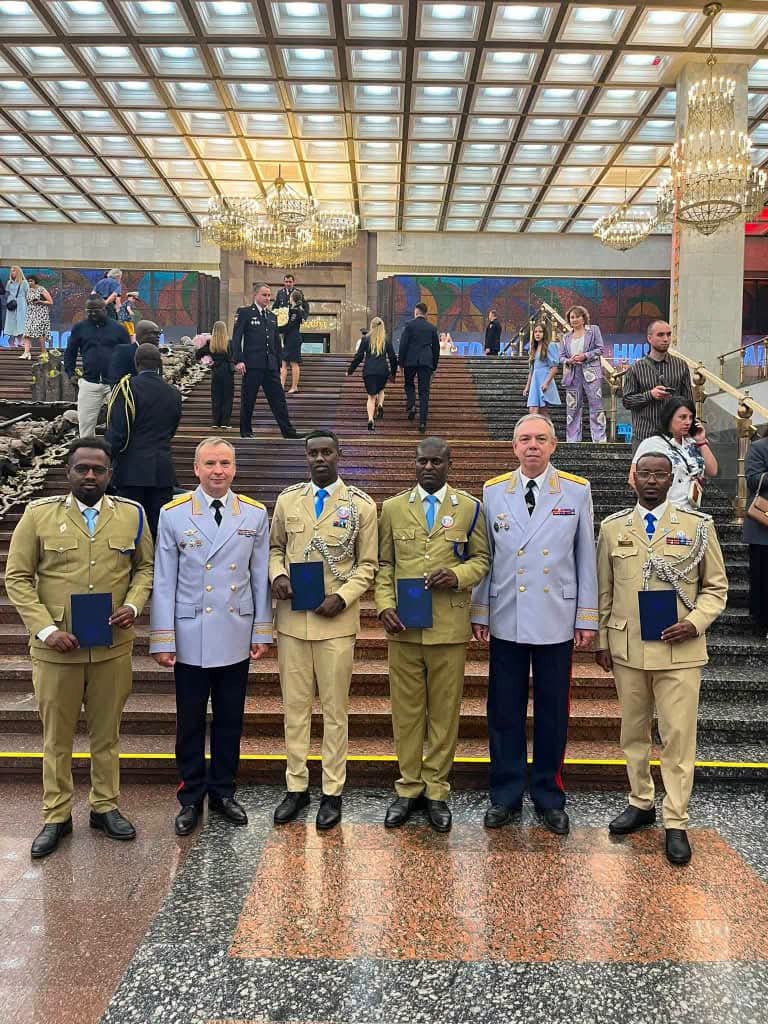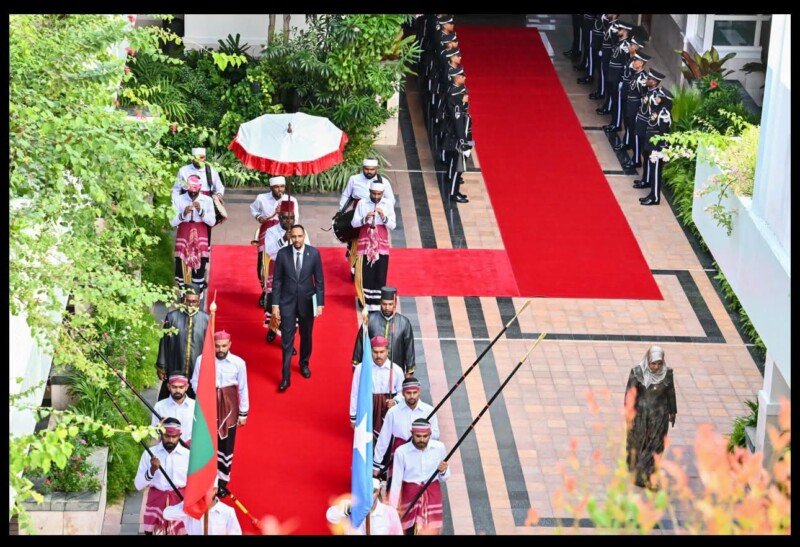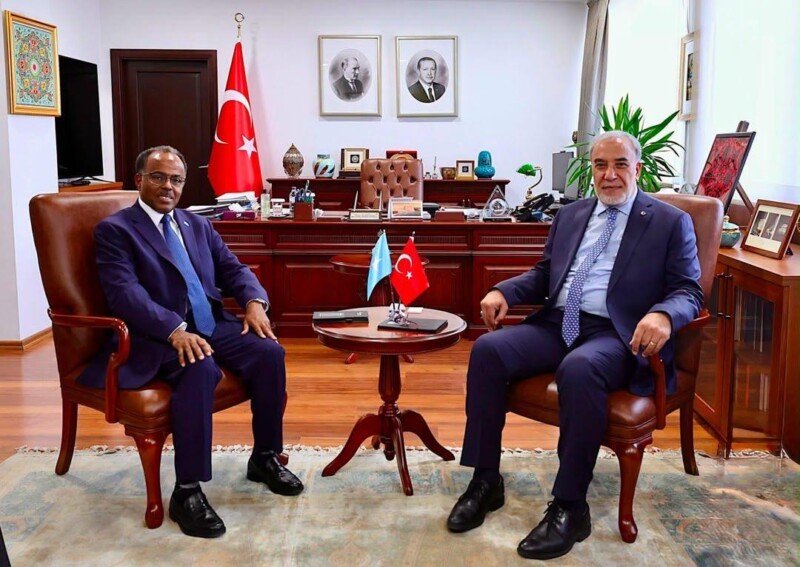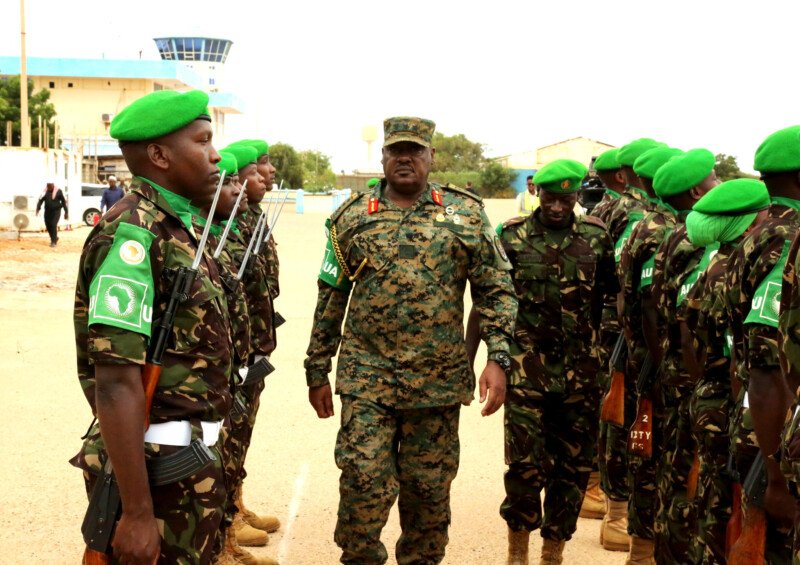
MOGADISHU – A series of high-level meetings in Mogadishu, Addis Ababa and Kampala are scrambling to secure the future of the African Union Support and Stabilization Mission in Somalia (AUSSOM), as the Trump administration’s decision to suspend a portion of its financial support has exposed the mission’s chronic funding crisis and raised urgent questions about Somalia’s readiness to assume full security responsibility.
The consultations, which began earlier this month, have drawn together officials from the Federal Government of Somalia, the African Union, troop-contributing countries and international partners. A senior summit is scheduled for July 31 in Kampala, where a final decision on the mission’s financing and restructuring is expected. The outcome of that meeting will determine whether AUSSOM can continue to function, or whether the security gains of the past decade will begin to unravel.
A Funding Crisis Decades in the Making
AUSSOM, which officially replaced the African Union Transition Mission in Somalia (ATMIS) in January 2025, currently fields nearly 12,000 personnel operating under a reduced mandate focused on training, advising and institutional capacity building. The shift from direct combat support to a more targeted approach reflected a strategic recalibration, but it also came with a funding model that was never fully secured.
The African Union projected a need for approximately $190 million in 2025 to facilitate the transition from ATMIS to AUSSOM. Civil society monitors have warned that short-term needs already exceed $90 million, with impacts ranging from unpaid troops to interrupted aid for at-risk groups. The European Union, which has been the mission’s longest-standing supporter, has committed €600 million to African-led efforts from 2022 to 2024, including €340 million for Somalia’s military operations. In April 2026, the EU approved an additional €75 million contribution under the European Peace Facility, making the bloc the mission’s largest financial donor and bringing total support to successive AU-led missions in Somalia to nearly €2.8 billion over two decades. The EU has reaffirmed its support for AUSSOM amid ongoing funding talks, but even that level of support has not been enough to close the gap.
The United States has contributed nearly $2 billion to the UN support mission in Somalia, but the Trump administration has grown increasingly frustrated with what it views as insufficient progress by Somali leaders in assuming responsibility for their own security. Washington has warned it will oppose any support for the continuation of AUSSOM beyond its current mandate, which is set to expire in early 2027. African Union officials warned in an emergency meeting last week that without UN support, the mission would be unsustainable. Uganda, which provides the largest contingent of troops with approximately 5,000 to 6,000 soldiers stationed in the country, has already declared its intention to withdraw its forces after nearly two decades.
Kampala: A Summit of Last Resort
The Kampala summit, scheduled for July 31, is the culmination of weeks of intense diplomacy. President Hassan Sheikh Mohamud addressed a previous summit of troop-contributing countries in Entebbe in April 2025, emphasising recent achievements in countering terrorism and advancing Somalia’s Security Development Plan. He extended his gratitude to troop-contributing nations and commended their sacrifices. At that time, the summit recognised Somalia’s progress, including its accession to the East African Community, its election as a non-permanent member of the UN Security Council, and the lifting of the arms embargo.
Yet those achievements have not translated into a sustainable funding model. The Kampala summit is expected to focus on operational timelines, funding, and enhanced coordination between Somali security forces and international partners. But the gap between diplomatic rhetoric and financial reality remains wide. The Federal Government has presented progress in building its armed forces, noting that Somali troops have demonstrated the ability to independently conduct operations against Al-Shabaab and have taken over security responsibilities in key areas. However, the government has not provided a clear timeline or a credible plan for how it will fill the funding gap left by Washington’s withdrawal.
A Transition Without a Plan
The discussions in Mogadishu, Addis Ababa and Kampala are a recognition that Somalia is not yet ready to stand alone militarily. The UN Security Council has extended AUSSOM’s authorization through December 31, 2026, but that extension was granted without sufficient funding secured. The United Nations Transitional Assistance Mission in Somalia (UNTMIS) is set to conclude its operations by October 31, 2026, leaving a political and institutional vacuum that the security transition is not equipped to fill.
Horn of Africa leaders have united in Addis Ababa to boost funding for AUSSOM, but the hybrid funding model being considered, combining UN contributions, donor commitments and AU funds, is a recognition that no single actor can carry the burden alone. It is also an admission that the international community is unwilling to provide the predictable, long-term financing that the mission requires.
The Gap Between Rhetoric and Reality
President Mohamud has declared that his government has prepared a major offensive against Al-Shabaab, a plan that will be formally presented to the public once technical and operational preparations are complete. Yet the timing of that announcement, coming amid the funding crisis, raises questions about whether the offensive is a genuine strategic initiative or a political gesture designed to demonstrate progress ahead of the Kampala summit.
The United States faces a critical choice on Somalia security assistance as the AUSSOM mandate nears expiry. The Somali government’s reliance on international support, its inability to secure predictable funding, and its failure to present a credible plan for the security transition have left it in a position of dependence that it has been unable to escape. The Kampala summit is a test of whether Somalia can persuade its international partners to continue funding a mission that has been underway for nearly two decades. But it is also a test of whether the government can present a convincing case that it is ready to assume the responsibility that its partners are increasingly unwilling to carry.
Way Forward
The future of AUSSOM is a microcosm of Somalia’s broader crisis of governance. It is a story of international commitment undermined by chronic underfunding, of Somali ambition constrained by institutional weakness, and of a transition that has been promised for years but never delivered. The Kampala summit may secure a temporary reprieve, but it will not resolve the underlying problem: Somalia is not yet ready to stand alone, and its international partners are no longer willing to carry the burden indefinitely.
The people of Somalia deserve more than a cycle of summits and funding appeals. They deserve a government that can secure its own borders, provide for its own security, and build the institutions that will allow it to stand on its own. Until that day comes, the future of AUSSOM will remain uncertain, and the security of the Somali people will remain hostage to the decisions of others.
Recommended Reading On ftlsomalia.com
- Somali Defence Minister and AU Envoy Strengthen Ties as AUSSOM Faces Funding Uncertainty
- EU Reaffirms Support for AUSSOM Amid Funding Talks
- US Faces Critical Choice on Somalia Security Assistance as AUSSOM Mandate Nears Expiry
- Horn of Africa Leaders Unite in Addis Ababa to Boost Funding for AUSSOM
- Somali President Highlights Security Progress at AUSSOM Summit in Kampala
- Somalia’s President Joins Regional Leaders in Kampala for Critical AUSSOM Summit