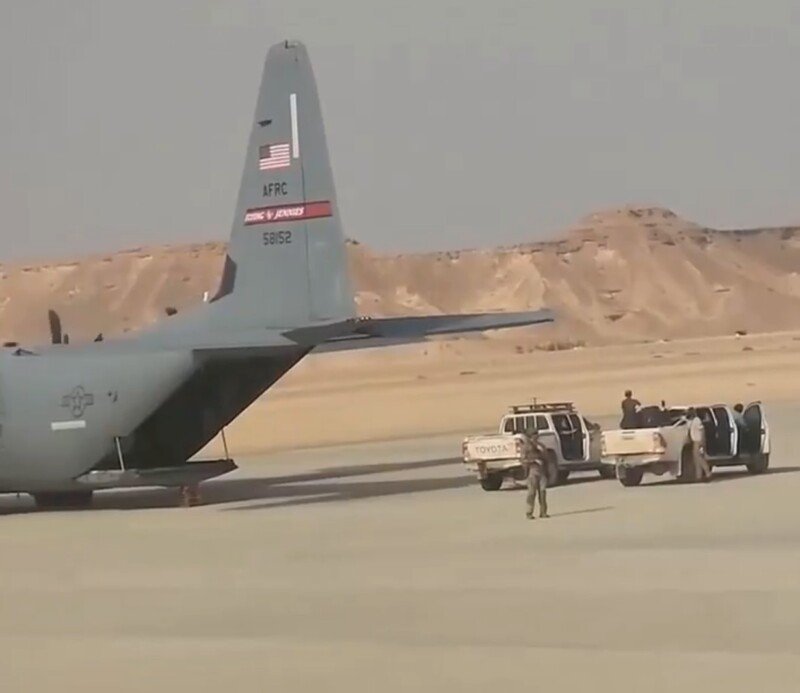
BOSASO – A high-level U.S. delegation is expected to hold talks with the leadership of Puntland in the port city of Bosaso on Sunday, with discussions focusing on expanding counterterrorism cooperation, maritime security, and the modernization of regional security forces.
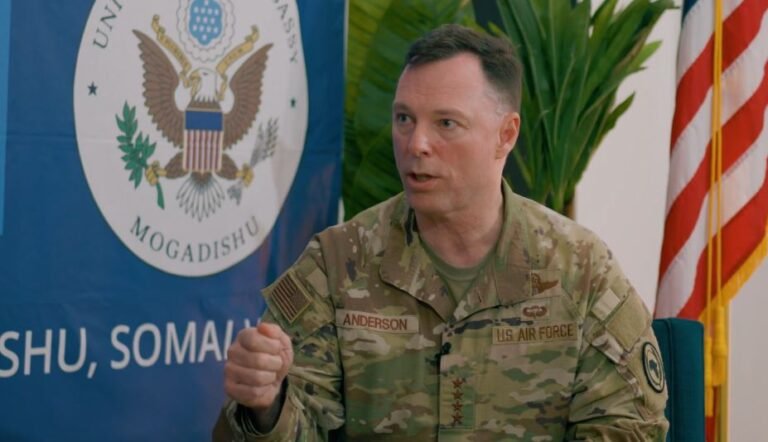
The U.S. delegation is led by Major General Claude K. Tudor Jr., according to local reports, and follows a series of similar engagements in the region. The talks come just days after an AFRICOM delegation, led by General Dagvin Anderson, visited Somaliland and held discussions with the breakaway region’s leadership, where he referred to both Puntland and Somaliland as “administrations within Somalia.” The formulation allows for direct military-to-military dialogue outside formal State Department channels while formally acknowledging Mogadishu’s sovereignty.
A Tactical Pivot, Not a Strategic Shift
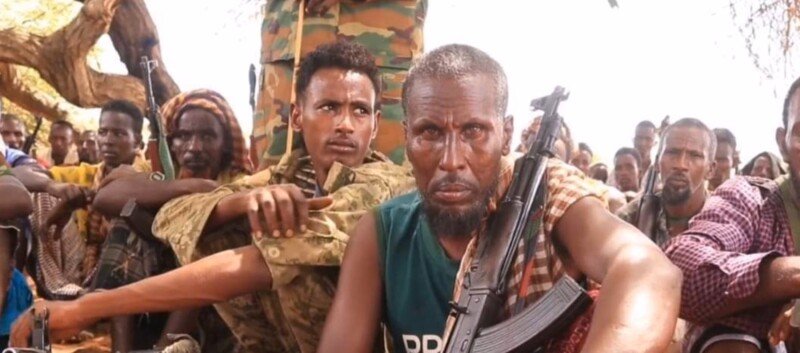
The talks are expected to center on moving counterterrorism operations beyond the limited areas previously targeted and opening a broader phase of military cooperation. Central to the discussions will be the coordination of logistical and operational assistance required by the Puntland Defence Forces as they conduct ground operations against militant groups in the Cal Miskaad mountains, where ISIS-Somalia has maintained underground bases, supply routes and training facilities. The planned support could include improvements in the forces’ operational capacity, training, equipment and overall readiness.
The timing of the talks is significant. They come as Puntland’s security forces have carried out an extended military offensive against ISIS positions in the Cal Miskaad mountains. However, the broader U.S.-Somalia security relationship is in a state of flux. The United States has contributed nearly $2 billion to the UN support mission in Somalia but has grown frustrated with what it views as insufficient progress by Somali leaders in assuming responsibility for their own security. The Kampala summit, held on July 31, sought to chart a path forward, with African leaders agreeing to sustain AUSSOM for an additional 18 to 24 months. But the funding gap remains unresolved, and the transition to Somali-led security is proceeding without a credible plan.
Deepening Ties, Deepening Rifts
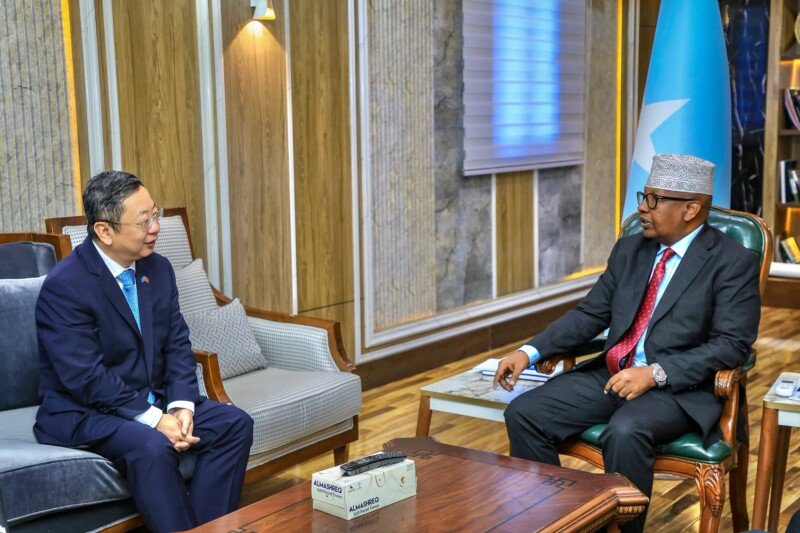
The Bosaso talks are also a reflection of the deepening political rift between Mogadishu and Puntland. The Puntland administration, led by President Said Abdullahi Deni, has increasingly sought direct international security partnerships amid a deepening political rift with the federal government over constitutional changes and the country’s electoral roadmap. The region has barred federal-linked troops from its territory and rejected federal constitutional amendments.
The two sides are also expected to discuss establishing a more direct security partnership that would operate without relying on a third party. Such cooperation could include intelligence-sharing, logistical coordination and greater American access to strategic routes and facilities in Puntland. While U.S. officials have publicly supported the federal government’s counter-terrorism efforts, the parallel engagement with regional administrations has fuelled mistrust and accusations of divide-and-rule.
The talks in Bosaso are part of a broader pattern of U.S. engagement with regional administrations that has raised questions about transparency and accountability. Puntland’s administration has presented the discussions as part of a broader strategy to eliminate militant threats and prevent armed groups from rebuilding their networks. But the lack of parliamentary oversight and public transparency in Somalia’s international security agreements has been a recurring concern.
The U.S. has previously engaged with Puntland and Somaliland as “administrations within Somalia,” a formulation that allows military-to-military engagement outside formal State Department channels. Critics argue that such direct engagement undermines the authority of the Federal Government of Somalia in Mogadishu and could exacerbate center-periphery conflicts. The Bosaso talks, while framed as a step toward strengthening security cooperation, also risk deepening the very divisions that have weakened Somalia’s federal system.
The speculation over a U.S. base in Berbera has been a persistent source of tension, with Somaliland having long proposed offering the U.S. exclusive access to its mineral resources and military installations in exchange for recognition. The U.S. has also reaffirmed its support for Somali forces as part of the broader counterterrorism partnership.
Way Forward
The Bosaso talks reflect the growing importance of Puntland in U.S. counterterrorism strategy, but they also highlight the contradictions in Washington’s approach. While the U.S. continues to provide military support, it is simultaneously withdrawing financial support for the UN mission that sustains Somali forces. Puntland’s pursuit of direct security partnerships with Washington is a reflection of its distrust of the federal government, but it also risks further fragmenting an already fractured federal system.
For the people of Puntland, the promise of enhanced security cooperation is tempered by the reality of a political crisis that has left the region isolated from Mogadishu and dependent on foreign support. The Bosaso talks may produce agreements on counterterrorism cooperation, but they are unlikely to address the underlying governance challenges that have made the region vulnerable to militant exploitation in the first place.
Recommended Reading On ftlsomalia.com
- No US Base in Somaliland, Says AFRICOM Chief as Berbera Speculation Mounts
- As AUSSOM Teeters on the Brink, US Delegation Visits Regional Administrations
- US Reaffirms Support for Somali Forces as Army Chief and AFRICOM General Hold Talks
- US Faces Critical Choice on Somalia Security Assistance
- Uganda Announces Intent to Withdraw Troops from Somalia
- Puntland Accuses President Mohamud of Arming Militias