MOGADISHU, Somalia – Somalia’s federal government is attempting to restart discussions with opposition groups prior to upcoming political gatherings in the regional capitals of Dhusamareeb and Jowhar, sources close to the negotiations disclosed on Saturday.
The renewed mediation initiative is allegedly being supported by Turkey as authorities work to reduce political tensions that have recently contributed to security unrest in the capital, Mogadishu.
Unconfirmed reports from sources at Mogadishu’s Aden Adde International Airport suggest that the Head of Turkey’s National Intelligence Organization (MIT) arrived in the Somali capital on the morning of Thursday, June 4. The reports, which remain unverified by official sources on either side, have fueled speculation about Ankara’s eagerness to broker a ceasefire between the federal government and opposition forces following days of intense armed clashes. If confirmed, the arrival of the MIT chief would represent a significant escalation in Turkey’s diplomatic engagement, moving beyond back-channel communications to direct, on-the-ground mediation.
Government Reaffirms One-Person, One-Vote Stance
According to the sources, the government reiterated during Friday’s discussions that direct elections using a one-person, one-vote system remain its preferred approach, while showing flexibility to negotiate on certain matters concerning Somalia’s federal structure.
Opposition leaders have drawn sharp battle lines against what they describe as “illegitimate term extensions” and “disputed elections,” warning the government not to push the country into another cycle of political turmoil. The opposition has maintained that the country lacks the security conditions, institutional readiness, and political consensus required for universal suffrage elections, arguing instead for a consensus-based indirect electoral model led by clan elders.
Technical Committee Proposed to Resolve Disputes
The sources indicated that Villa Somalia is also proposing the establishment of a technical committee to handle unresolved disputes, a suggestion that opposition factions previously rejected during earlier mediation efforts supported by international partners. Opposition figures view this move as a stalling tactic designed to bypass critical political deadlines, demanding a more immediate and concrete political settlement.
International partners including the UN, African Union, EU, IGAD, the United States, and the United Kingdom have urged renewed dialogue between the Somali government and opposition groups. A joint statement issued by 15 countries and the UN mission expressed concern over the situation and called on all sides to resume dialogue as soon as possible, swiftly reaching consensus on an election roadmap in the interest of the Somali people.
Opposition Demands Comprehensive Agreement
Opposition representatives have maintained that negotiations should prioritize reaching an agreement on the electoral process, while expressing concerns about direct engagement with President Hassan Sheikh Mohamud without a comprehensive political understanding. The opposition has also called for suspension of ongoing federal member state elections pending a national agreement, a demand the president has reportedly resisted.
The Federal Government of Somalia extended its mandate for one year under the newly adopted constitution, a move that opposition figures and several federal member states have rejected as lacking national consensus. President Mohamud has insisted that constitutional amendments endorsed earlier this year effectively extend his administration’s mandate beyond May 2026, while opposition figures reject that interpretation, maintaining that the president’s constitutional term expired on May 15.
No Official Statement from Government
The government has not made any official statements regarding the most recent mediation proposals, and it is still uncertain whether opposition groups will embrace the initiative. Previous talks between the two sides collapsed without achieving consensus on key national issues, including the country’s ongoing political transition and electoral framework.
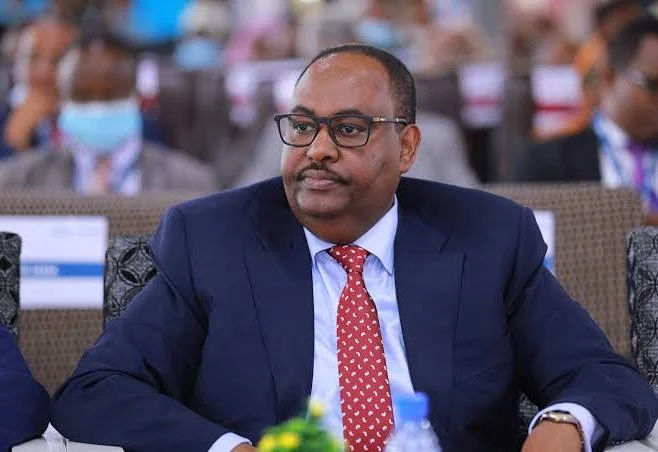
Puntland leader Said Abdullahi Deni has accused President Mohamud of breaking the country apart, stating that the federal government’s actions have systematically dismantled the federal system and undermined the power-sharing arrangements that form the basis of Somalia’s post-conflict governance structure.
The political disagreement emerges amid increasing international pressure for dialogue between Somalia’s government and opposition leaders to avoid further instability and establish agreement on the nation’s electoral framework. The standoff has revived fears of a repeat of Somalia’s 2021 electoral crisis, when a previous term-extension dispute triggered armed clashes in Mogadishu and divisions within security forces.
Recommended Reading On ftlsomalia.com:
- Turkey Moves to Fill Diplomatic Vacuum Amid Rumors of MIT Chief Visit, But ORSAM Study Questions Ankara’s Neutrality
- Opposition Warns Against ‘Red Lines’ on Term Extension and Disputed Elections
- International Community Urges Renewed Dialogue Between Somali Government and Opposition Groups
- Somalia Government Extends Mandate for One Year Under New Constitution
- Deni Accuses Hassan Sheikh of ‘Breaking the Country Apart’ as Puntland Leader Departs Mogadishu