MOGADISHU — The global energy landscape faces unprecedented challenges as traditional energy corridors remain under strain from persistent instability in Venezuela, supply constraints from Russian restrictions, and disruptions tied to conflicts involving Iran, including targeted attacks on Gulf infrastructure and threats to the Strait of Hormuz.
Into this critical void emerges the Federal Republic of Somalia, shifting from a peripheral geopolitical position to become a cornerstone of global energy security.
Historic Offshore Drilling Campaign Begins
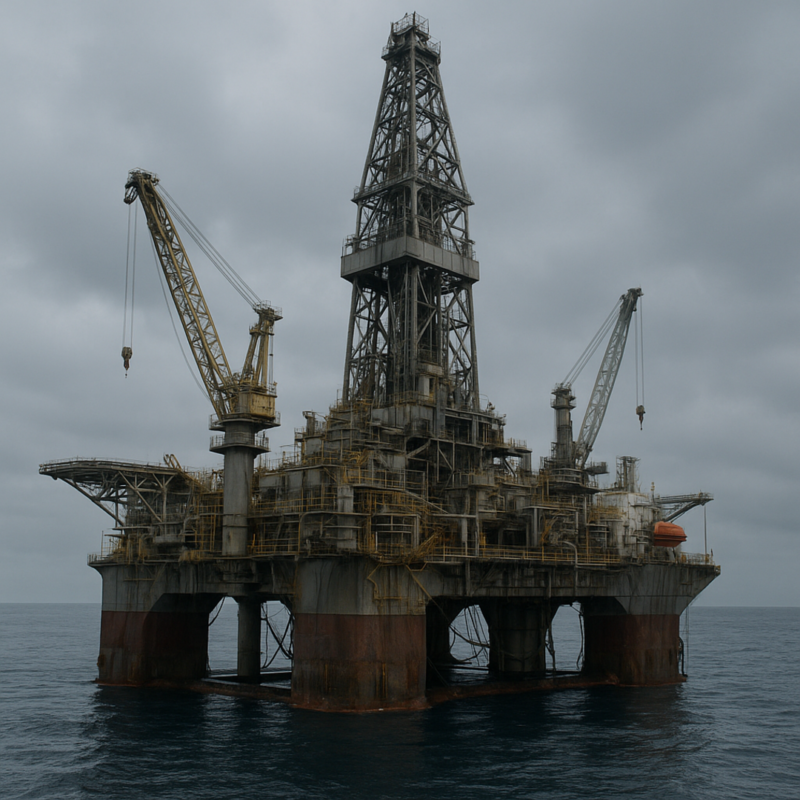
The arrival of Turkey’s deep-water drilling vessel, the Çağrı Bey, in Somali waters signals the realization of this new paradigm. President Hassan Sheikh Mohamud officially launched the advanced Turkish offshore drilling vessel during a high-level ceremony at the Port of Mogadishu, formally marking the beginning of Somalia’s deep-sea hydrocarbon exploration.
“The Federal Government is committed to responsible and transparent extraction of natural resources for the direct benefit of Somali citizens,” the president said.
With Ankara projecting initial oil production within approximately ten months, Somalia’s crude will flow directly into the open waters of the Indian Ocean, circumventing the world’s most hazardous maritime chokepoints. The vessel is expected to drill the Curad-1 well, located approximately 372 kilometers offshore from Mogadishu, at a target depth of 7,500 meters — ranking among the world’s deepest offshore drilling efforts.
Strategic Partnership Between Mogadishu and Ankara
This historic offshore drilling campaign embodies a strategic partnership between Mogadishu and Ankara. The Çağrı Bey drillship, formerly known as the West Draco, represents a highly sophisticated deep-sea drilling platform managed by the Turkish Petroleum Corporation, embarking on its first major foreign assignment in Somalia.
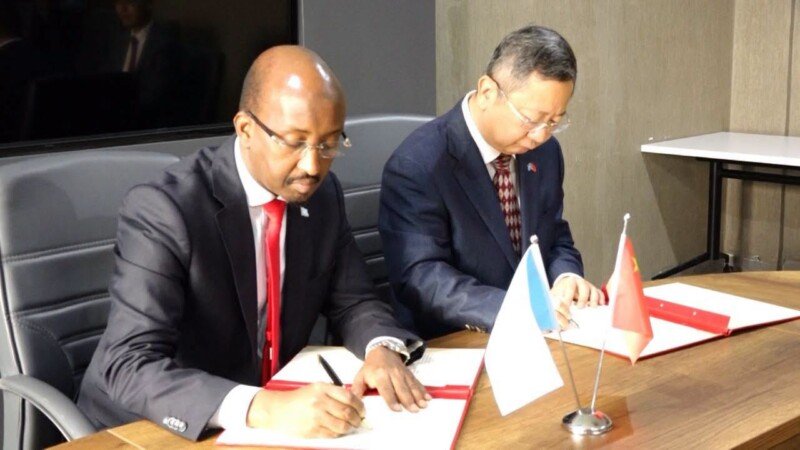
By assuming substantial exploration risks and deploying advanced naval assets to ensure operational security, Turkey aims to create an independent energy corridor to address its macroeconomic vulnerabilities. Turkey and Somalia officially established their collaborative energy framework in 2024 via a landmark production-sharing agreement, with a Production Sharing Agreement concluded in 2025 creating the legal and commercial structure to guide exploration activities.
Economic Transformation and Regional Repercussions
While global ramifications are extensive, the regional repercussions will fundamentally reshape East Africa’s power structure. Somalia is emerging as a hotspot for international energy investment, with its petroleum and mineral sector attracting interest from around the world beyond its longstanding partnership with Turkey.
International research estimates suggest that Somalia possesses billions of barrels of untapped petroleum reserves. As Somalia transitions from an aid-reliant nation to a net energy exporter, the economic center of gravity inevitably shifts toward the Somali coast.
The commencement of active offshore drilling operations represents a strategic victory for the federal administration, demonstrating Mogadishu’s success in leveraging its bilateral alliance with Ankara to secure advanced technological infrastructure.
Turkey’s Growing Footprint in the Horn of Africa
Ankara has been progressively strengthening its strategic bilateral relations with Somalia over more than a decade. Turkey has been a key ally to Somalia, providing significant support in areas such as military training, infrastructure development, and humanitarian aid, including operating a military training base established in Mogadishu in 2017.
Türkiye is preparing to commence oil production in Somalia, marking a historic leap in economic and strategic cooperation between the two nations, with exploration and production set to take place both onshore and offshore.
Economic Sovereignty and Domestic Transformation
Domestically, this resource extraction functions as a powerful sovereign instrument. Revenue from these offshore reserves provides the Federal Government with autonomous funding to strengthen the Somali National Army, eliminating historical dependence on international subsidies.
Somalia’s Ambassador to Turkey, Fathudin Ali Ospite, has previously described the presence of the Çağrı Bey off Somalia’s coastline as a pivotal moment in the nation’s journey toward economic self-sufficiency, emphasizing that the exploration initiative is anticipated to generate employment for Somali youth and enhance professional capabilities within the energy sector.
“Beyond direct job creation, this collaboration is likely to foster broader economic expansion by attracting investments, bolstering local industries, and increasing government revenues,” Ambassador Ospite explained. “With enhanced financial resources, Somalia will be better equipped to invest in infrastructure, education, healthcare, and housing, supporting sustained national advancement.”
Resource Governance and Transparency
The federal government has emphasized that all future revenues from the hydrocarbon sector will be allocated to fund essential public services, advance infrastructure projects, and ensure regional stability. The president has affirmed that the national administration maintains an unwavering commitment to equitable wealth distribution and institutional integrity.
Minister of Petroleum and Mineral Resources, Dahir Shire, has reaffirmed the government’s commitment to strengthening both economic resilience and national security as part of a long-term development vision, emphasizing that through responsible resource management and international partnerships, Somalia can accelerate job creation, infrastructure development, and sustainable growth.
A New Chapter for Somalia
The welcoming ceremony for the Çağrı Bey at the Port of Mogadishu officially marked the commencement of oil drilling operations in Somali waters, representing Turkey’s first deep-sea drilling mission abroad.
“This is a historic milestone in our offshore energy journey. A new chapter begins,” Minister Shire stated.
The ten-month countdown has commenced. When the drillship reaches its target, Somalia will not merely extract oil; it will secure absolute economic sovereignty. The nation is establishing its economic independence, demonstrating to the world its capacity to harness its vast natural resources and claim its rightful place as an economic force on the global stage. The successful implementation of the drilling program will substantially boost national industrialization, finance essential public infrastructure, and ensure the long-term economic autonomy of the nation, according to officials.