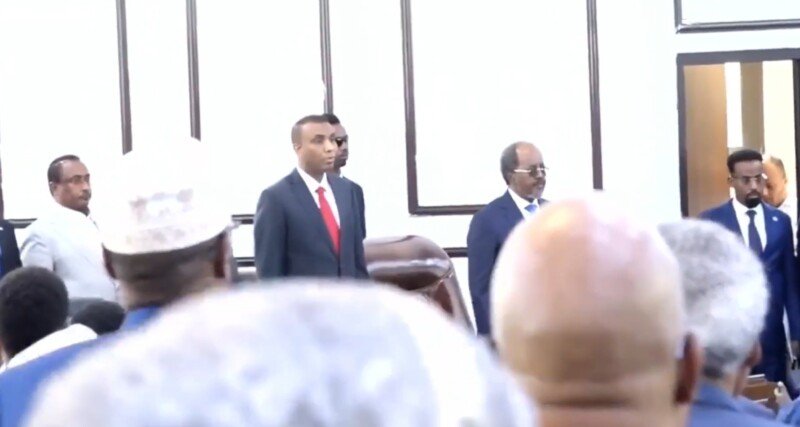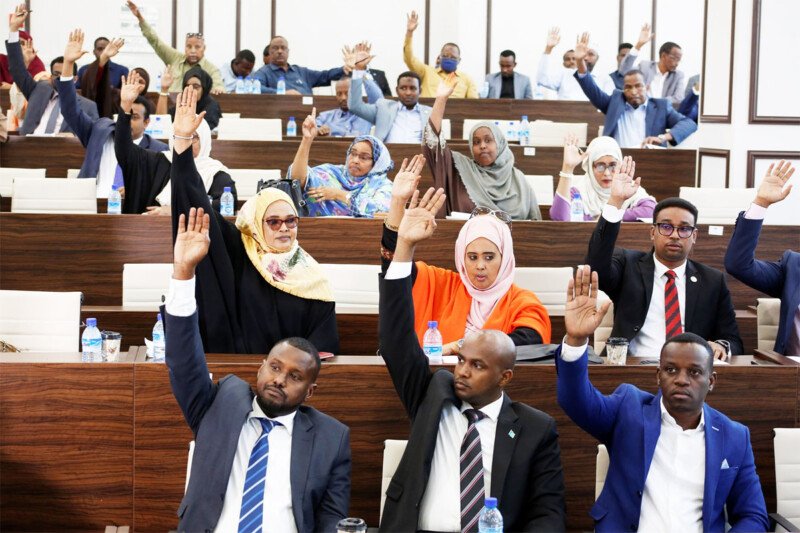
MOGADISHU – The 8th Session of Somalia’s Federal Parliament officially opened on Saturday at Villa Hargeisa, with President Hassan Sheikh Mohamud delivering the keynote address. The session, which brings together both houses of parliament, comes at a critical juncture as the country grapples with political tensions, a looming security transition, and unresolved disputes over the electoral process and constitutional reforms.
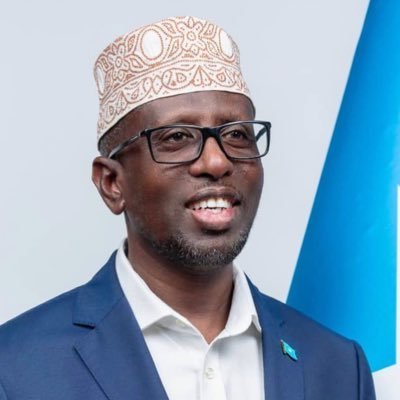
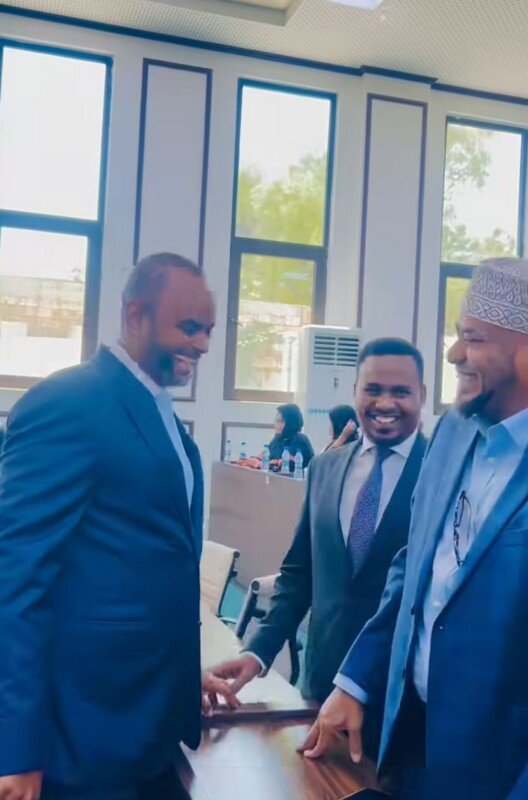
The opening ceremony was attended by members of both chambers, senior government officials, and invited guests. Parliament’s agenda for the session includes the approval of key legislation, oversight of the executive branch, and discussions on national priorities. However, the session is being chaired on an interim basis by First Deputy Speaker of the House of the People, following the resignation of Sheikh Adan Mohamed Nur (Adan Madoobe), who was elected President of South West State earlier this month.
A Parliament Without a Speaker
The opening of the 8th Session comes at a time of uncertainty for the federal parliament. The resignation of Sheikh Adan Madoobe to assume the leadership of South West State has left the House of the People without a permanent Speaker. The election of a new Speaker is expected to be a priority for the session, but the process is likely to be contentious, with competing political factions vying for the position.
The absence of a permanent Speaker raises questions about the parliament’s ability to function effectively. The First Deputy Speaker, who is currently chairing the session, has limited authority compared to a full Speaker, and the legislative agenda could be delayed if political infighting over the leadership position intensifies.
A Parliament Under Pressure
The opening of the 8th Session comes against the backdrop of a deepening political crisis. The federal government is facing significant challenges, including unresolved disputes over the electoral process, constitutional reforms, and the relationship between the federal government and member states. The opposition has called for a transitional government, arguing that President Mohamud’s term has expired, while the government insists that the constitution allows for an extended mandate until elections are held.
The international community has repeatedly urged Somali leaders to resume dialogue and reach a consensus on the way forward. The United States and Britain have been planning a renewed diplomatic push to bring together Somalia’s feuding political leaders, but expectations for a breakthrough remain low. The Federal Government and the Somali Future Council have agreed to resume political dialogue, but Turkey’s efforts to position itself as the sole mediator have been met with resistance from key regional states.
A Session with High Stakes
The 8th Session is expected to address several critical issues, including the approval of the national budget, security legislation, and reforms to the electoral system. However, the parliament’s ability to deliver on these priorities will depend on its capacity to overcome internal divisions and focus on the national interest.
The session also comes at a time when the country is preparing for the transition of the African Union Support and Stabilization Mission in Somalia (AUSSOM). The Kampala summit has agreed to sustain the mission for an additional 18 to 24 months, but the funding gap remains a significant challenge. The United States has contributed nearly $2 billion to the UN support mission in Somalia but has grown frustrated with what it views as insufficient progress by Somali leaders in assuming responsibility for their own security.
Way Forward
The opening of the 8th Session of the Federal Parliament is a reminder of the challenges facing Somalia’s political institutions. The parliament’s ability to function effectively will depend on its capacity to resolve internal disputes, assert its independence from the executive branch, and focus on the legislative priorities that matter to the Somali people. The election of a new Speaker will be a test of the parliament’s ability to manage its own affairs. The success of the session will ultimately be measured not by its opening ceremony, but by its ability to deliver on the legislative and oversight responsibilities that are essential to Somalia’s democratic transition.
Recommended Reading On ftlsomalia.com
- President Hassan Chairs Cabinet Meeting in Absence of PM Hamza and Deputy
- Somali Future Council Unveils Transitional Direct Elections Model for 2026
- International Community Calls for Somalia to Resume Dialogue Amid Political Standoff
- Opposition Confirms Deal with FGS to Resume Dialogue as Ankara’s Neutrality Questioned
- Kampala Summit Agrees to Sustain AUSSOM for 18-24 Months
- US Faces Critical Choice on Somalia Security Assistance as AUSSOM Mandate Nears Expiry